Ultimate Safari Travel Guide Everything You Need to Know for the Perfect Wildlife Adventure
A safari is not just another vacation it’s an adventure into the wild, filled with breathtaking landscapes and close encounters with incredible wildlife. Whether you are dreaming of Africa’s big five, exploring vast savannahs, or seeking unique cultural experiences, a safari travel guide becomes your compass. It ensures you’re not just wandering aimlessly but fully equipped with insights, safety tips, and local knowledge to maximize your journey.
A proper safari guide isn’t limited to printed books. It can be a professional guide leading your expedition, a digital guidebook on your phone, or even curated travel resources from reputable companies. Each of these plays a role in helping you navigate wildlife destinations responsibly while enhancing the quality of your adventure.
Different Types of Safari Travel Guides
When people hear the term safari travel guide, they often think of an individual expert leading groups through the wilderness. But in reality, guides come in many forms. The most traditional option is the in-person guide who travels with you, offering safety, wildlife spotting expertise, and cultural interpretation. These guides are trained to track animals, explain ecosystems, and anticipate potential dangers.
On the other hand, written and digital guides are equally valuable. These are resources you can study before departure or carry during your trip. They contain detailed maps, photography tips, packing lists, and background information on local flora and fauna. In recent years, mobile safari apps have become increasingly popular, bringing technology into the mix for travelers who want real-time navigation, offline maps, or animal identification tools.
Real-World Examples of Safari Travel Guides
Example 1: A Professional Safari Ranger
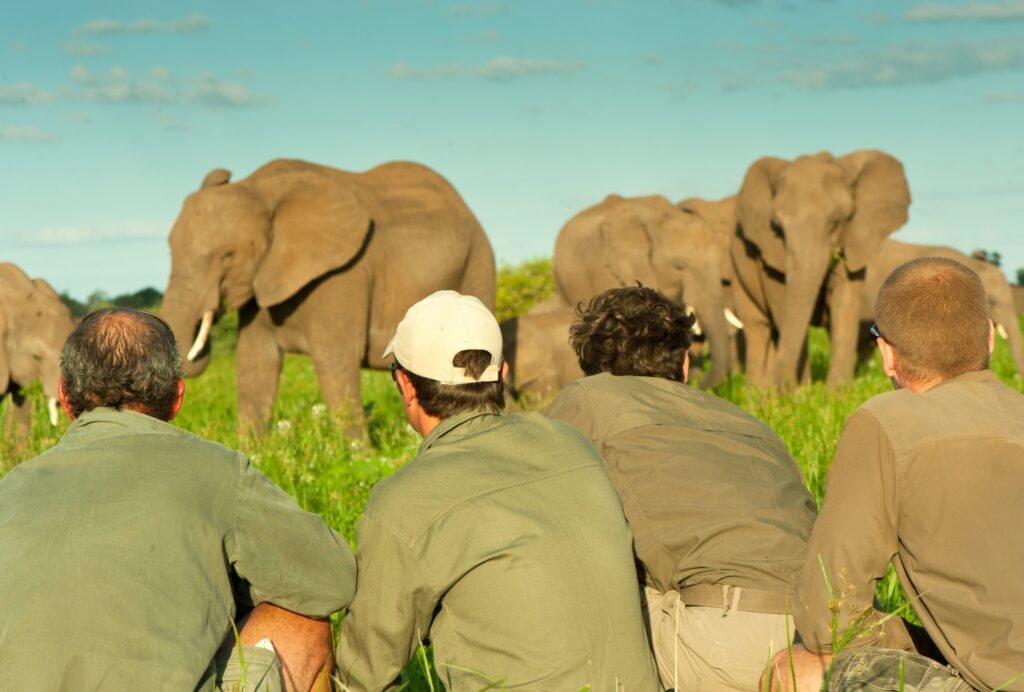
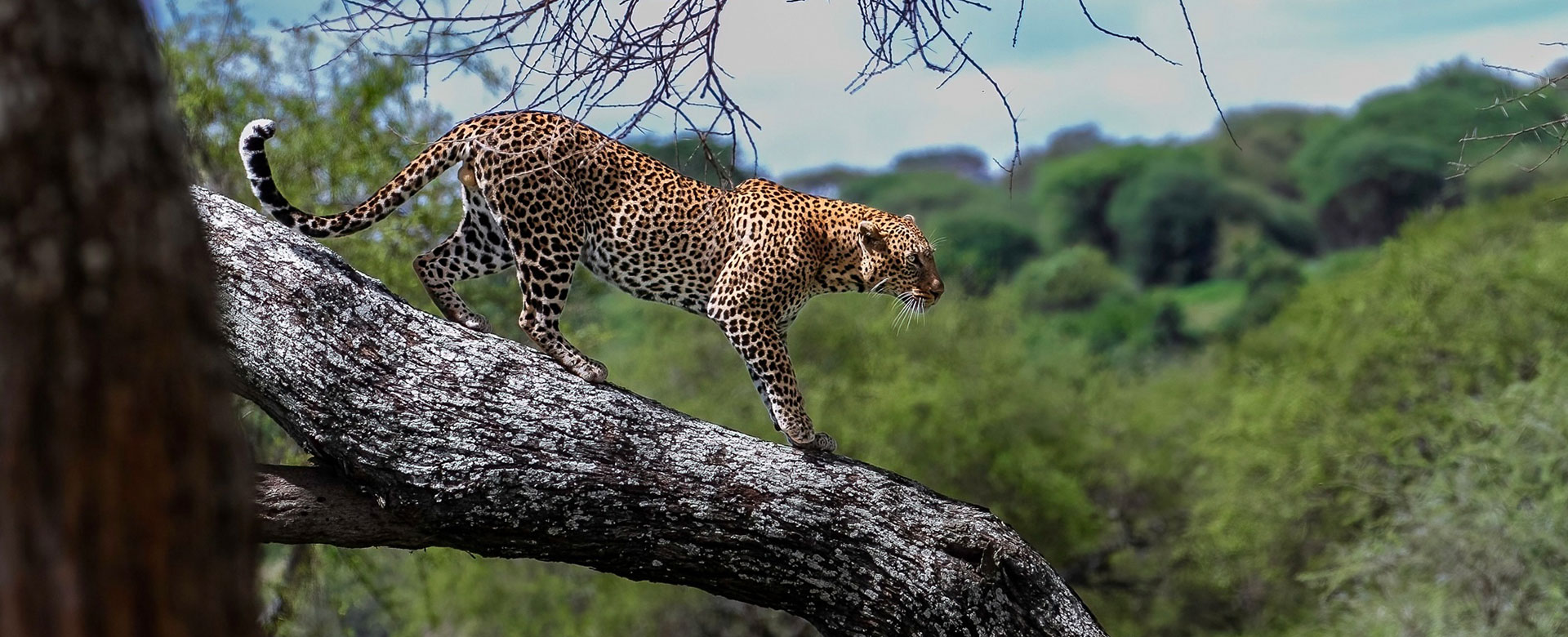
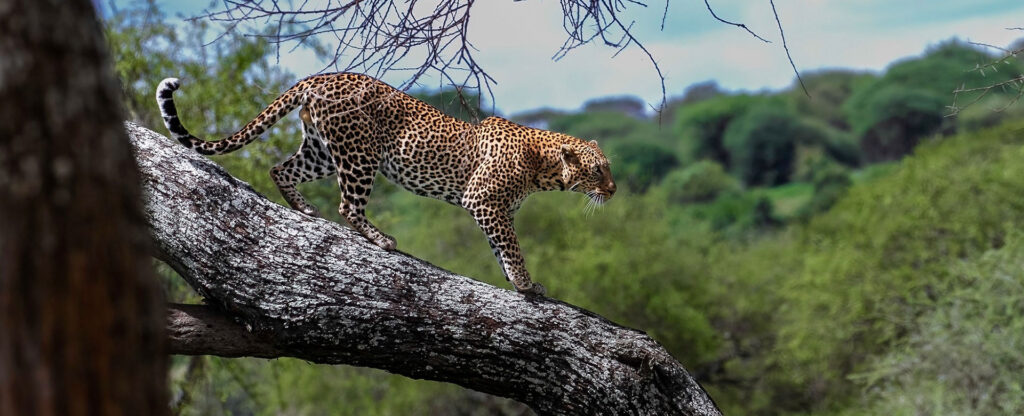
In destinations like Kenya and Tanzania, professional safari rangers often double as wildlife educators. These individuals typically undergo rigorous training in ecology, animal behavior, and hospitality. Their expertise not only enhances your trip by pointing out elusive species but also helps ensure safety. Imagine spotting a leopard hidden in the treetops that you would have otherwise missed this is the magic of having a knowledgeable ranger by your side.
Beyond animal spotting, rangers also act as cultural bridges, sharing stories of local communities, conservation challenges, and even folklore tied to the land. This makes the safari experience more immersive and educational.
Example 2: A Digital Safari Guidebook
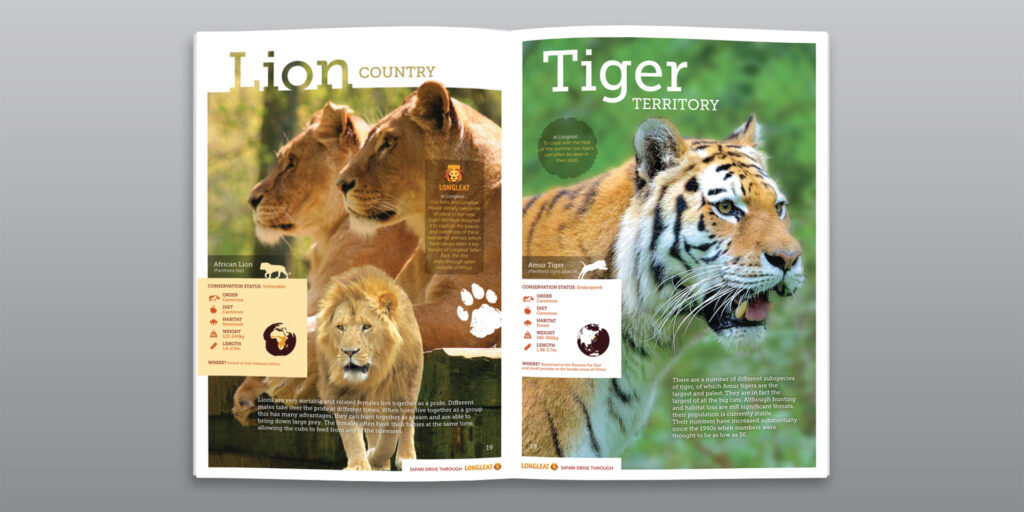
Digital safari guidebooks, often downloadable as e-books or mobile applications, have transformed the way people plan safaris. These guides include itineraries, photography recommendations, and even advice on ethical travel. For instance, a digital guide might provide suggested routes for a self-drive safari in Namibia while highlighting essential tips like staying inside your vehicle at all times.
The benefit of a digital guidebook is accessibility it can be updated with the latest travel restrictions, park rules, or seasonal animal migration patterns. For travelers who prefer independence, these guides serve as the backbone of their planning process.
Example 3: Safari Identification Apps
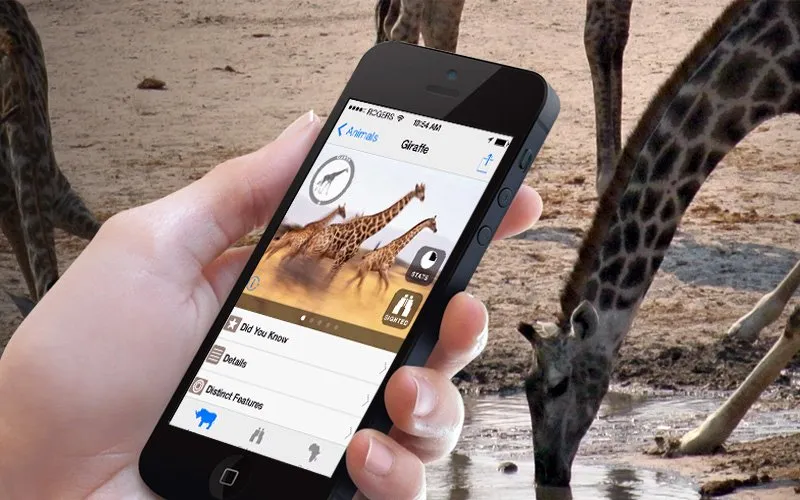
Apps such as bird or mammal identification tools can act as modern safari travel guides. With offline functionality, these apps allow you to match photos you take with species databases. This enriches your journey by helping you understand the biodiversity around you in real time.
These tools are especially beneficial for travelers who enjoy photography or journaling. Instead of only marveling at what you see, you gain knowledge of species behavior, conservation status, and ecological roles. It’s like carrying a pocket expert in your phone.
Example 4: Curated Safari Travel Resources
Some safari operators or tourism boards publish curated safari travel guides. These often combine maps, recommended itineraries, and cultural highlights. For example, a guide produced by the Botswana Tourism Board may include advice on the Okavango Delta, seasonal flood patterns, and community-based tourism initiatives.
Such curated resources provide a balanced overview, blending wildlife exploration with cultural immersion. They also emphasize sustainable travel, reminding visitors to minimize environmental impact.
Benefits of Using a Safari Travel Guide
One of the most significant benefits of a safari travel guide is confidence. Safaris often take place in remote areas with unpredictable conditions. Having a guide whether human, digital, or written removes uncertainty. You know where to go, what to expect, and how to handle potential challenges.
Another advantage is depth of knowledge. Guides transform your trip from passive sightseeing into active learning. Instead of just “seeing elephants,” you understand herd behavior, conservation issues, and the role elephants play in local culture. A safari travel guide turns an ordinary holiday into an enriching journey.
How Safari Travel Guides Solve Real-World Problems
Travelers often face challenges when navigating unfamiliar territories. A safari travel guide addresses these issues directly. For instance, many parks enforce strict rules for safety and conservation. Without guidance, tourists risk breaking regulations or endangering themselves. Guides prevent these mistakes by offering clear instructions.
Additionally, travelers may struggle with choosing the best time of year to visit. A guide explains migration patterns, weather conditions, and tourist flow, enabling smarter planning. For example, visiting the Serengeti without understanding the Great Migration could mean missing out on one of nature’s most extraordinary spectacles.
Use Cases in Everyday Safari Experiences
Imagine a first-time traveler embarking on a self-drive safari in South Africa’s Kruger National Park. With a safari travel guidebook in hand, they navigate the park’s vast road network, spot key animal habitats, and stay safe by avoiding high-risk zones. The guide makes the difference between a stressful trip and a smooth adventure.
Or consider a family with children visiting a reserve in Kenya. With a professional ranger, the kids not only see giraffes but also learn about their feeding habits and ecological role. This kind of educational safari travel guide experience sparks curiosity and builds lifelong appreciation for conservation.
Frequently Asked Questions
1. Do I always need a professional safari guide?
Not always. While professional guides are recommended for safety and deeper knowledge, self-drive safaris with guidebooks or apps are possible in certain regions. The choice depends on your experience and comfort level.
2. Are digital safari travel guides reliable in remote areas?
Yes, many digital guidebooks and apps are designed for offline use. However, it’s always best to download resources before entering areas with limited connectivity.
3. How does a safari travel guide improve my experience?
A safari travel guide enriches your journey by offering insights into wildlife, culture, and safety. It transforms your trip from basic sightseeing into a meaningful and educational adventure.