Safari Tour Guide Complete Insights, Real Experiences, and Expert Tips for Wildlife Adventures
A safari tour guide is more than just someone driving a vehicle through the wilderness. They are trained professionals who bring the entire safari experience to life, transforming it from a simple ride through the bush into an educational, safe, and unforgettable adventure. Their knowledge of animal behavior, local cultures, and ecosystems allows travelers to see wildlife in a deeper and more meaningful way.
Guides often undergo years of training to develop skills in tracking, storytelling, safety, and ecological education. Without them, visitors may miss out on rare sightings, fail to understand the context of what they are seeing, or even put themselves at risk in unfamiliar wild environments.
Why Safari Tour Guides Are Essential
A safari tour guide ensures safety first and foremost. Animals in the wild are unpredictable, and guides know how to navigate encounters with elephants, lions, or even smaller yet dangerous creatures like snakes. Beyond safety, guides also interpret the environment, pointing out subtle signs of animal activity like footprints, calls, or broken branches.
They also act as cultural ambassadors. Many safari guides are locals who share personal stories, tribal traditions, and knowledge passed down through generations, which adds depth to the travel experience. For many visitors, the stories told by a safari tour guide become the most memorable part of the trip.
Real-World Examples of Safari Tour Guides in Action
Kruger National Park, South Africa
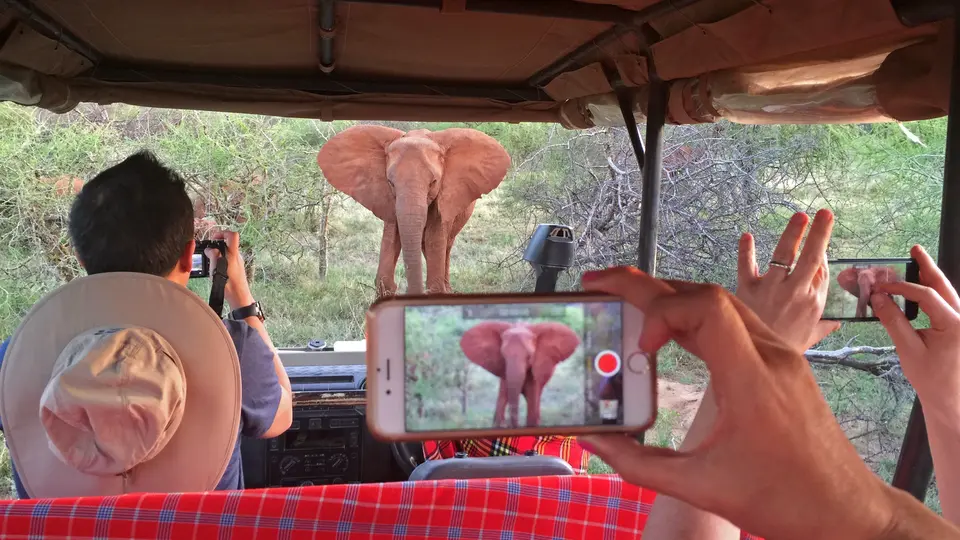
Kruger is one of the most famous safari destinations in the world, and guides here are experts at helping tourists spot the “Big Five”: lions, leopards, elephants, buffalo, and rhinos. These guides know the best times and locations for sightings and can identify dozens of bird species just from their calls. Their expertise ensures that even in a vast area like Kruger, travelers get the maximum experience.
Serengeti, Tanzania
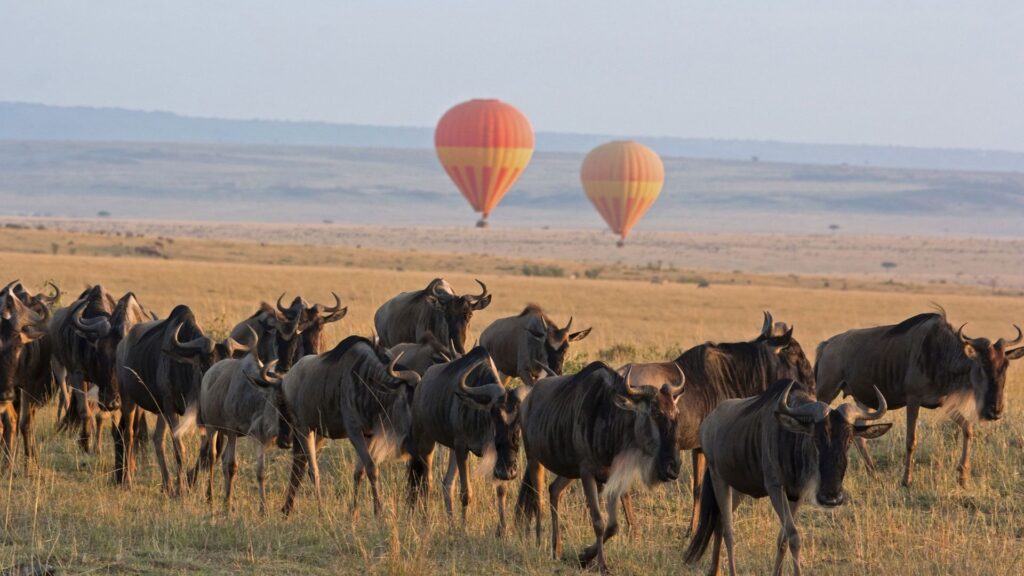
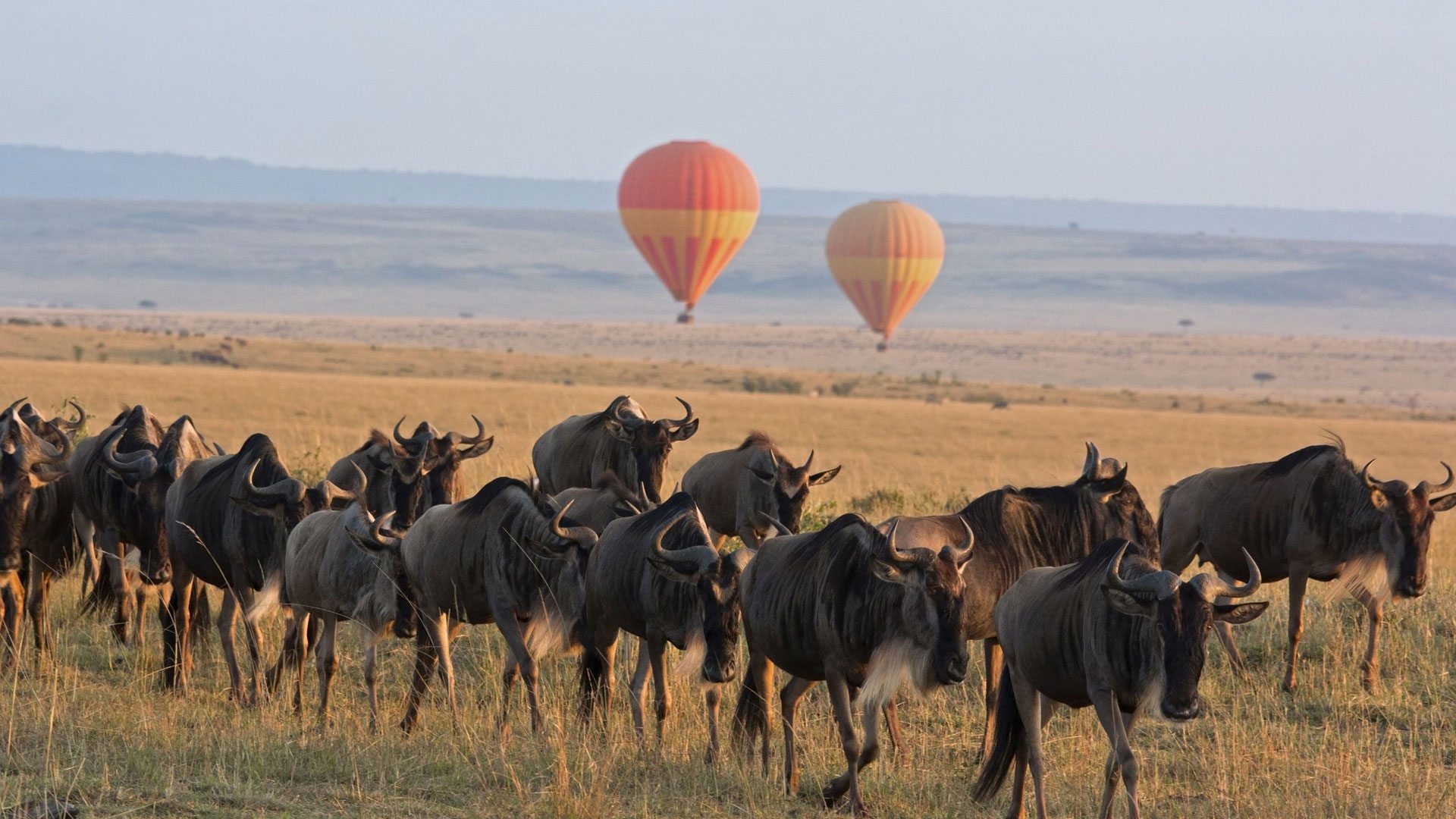
In Tanzania, guides are invaluable during the annual Great Migration, where millions of wildebeest and zebras cross the Serengeti. A safari tour guide here not only ensures visitors witness this natural spectacle but also explains the ecological significance behind the migration, predators’ hunting strategies, and how climate shapes animal movement. Without them, travelers might just see animals running, but with guidance, they understand the deeper story.
Maasai Mara, Kenya
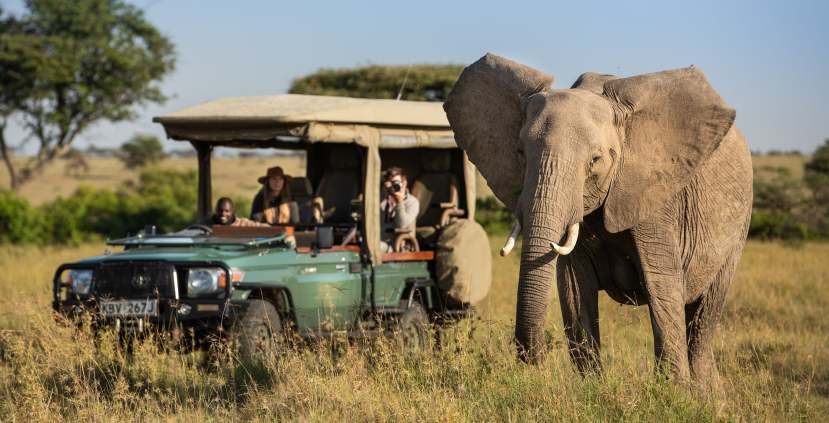
Local Maasai guides in Kenya offer more than wildlife knowledge. They share cultural insights about the Maasai people, their history, and their coexistence with nature. For visitors, this creates a unique blend of wildlife exploration and cultural immersion. Many travelers say their guide’s storytelling was as breathtaking as seeing lions up close.
Benefits of Technology in Safari Guiding
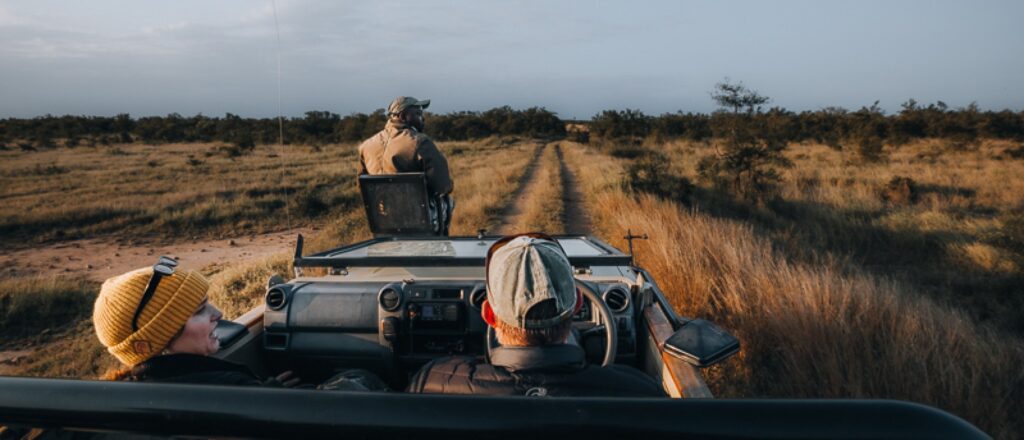
Modern safari tour guides now incorporate technology to make experiences even better. For instance, GPS trackers allow them to follow animal movements, ensuring higher chances of sightings. Some guides use drones for educational demonstrations, giving tourists an aerial view of landscapes and herds.
Guides also use digital photography tools to help guests capture the perfect shot. Instead of missing the moment, visitors can rely on the guide’s expertise with lighting, angles, and timing. Additionally, mobile apps for species identification are becoming popular, making it easier for guides to share knowledge instantly.
Practical Benefits of Having a Safari Tour Guide
One of the biggest benefits of having a safari tour guide is stress-free travel. Navigating vast landscapes, spotting animals, and staying safe are all taken care of. For families with children, guides provide tailored explanations that keep kids engaged while ensuring their safety.
Another advantage is time efficiency. Guides know exactly where to go and when. Instead of spending hours searching, visitors are taken directly to the best spots. They also provide access to exclusive areas or special permits that independent travelers might not get.
Use Cases: When a Safari Tour Guide Becomes Invaluable
-
First-time travelers: Beginners often feel overwhelmed by the sheer size and unpredictability of safari parks. Guides ensure they don’t miss important highlights.
-
Wildlife photographers: Guides position vehicles perfectly for shots, understanding animal behavior so photographers capture once-in-a-lifetime moments.
-
Educational tours: Schools and universities benefit from guides who explain ecosystems in detail, making safaris part of an immersive learning experience.
-
Adventure seekers: Guides can tailor tours to focus on specific interests like birdwatching, predator tracking, or cultural immersion.
These situations highlight why safari tour guides are indispensable, turning what could be a confusing or even risky trip into an extraordinary adventure.
Frequently Asked Questions
1. What qualifications do safari tour guides usually have?
Most safari guides undergo specialized training programs in ecology, animal behavior, first aid, and hospitality. Many hold professional certifications recognized in Africa, ensuring they are skilled in safety and education.
2. How do safari tour guides enhance wildlife experiences?
They interpret animal behavior, know the best viewing spots, and ensure that travelers understand the ecological and cultural context of what they are seeing. This transforms a simple sighting into an unforgettable memory.
3. Can safari guides customize tours for different travelers?
Yes. Whether someone is interested in photography, birdwatching, cultural exchanges, or family-friendly safaris, guides can adjust itineraries and explanations to match the travelers’ preferences.