African Safari Tour Guide Everything You Need to Know for an Unforgettable Adventure
An African safari tour guide is not just someone who drives you through the bush. They are highly trained professionals with deep knowledge of wildlife, ecosystems, safety protocols, and cultural history. A guide helps travelers experience Africa beyond the surface by interpreting animal behavior, explaining ecosystems, and ensuring safety in potentially dangerous situations.
Most safari guides undergo extensive training programs, including wildlife tracking, first aid, and conservation awareness. Some even have specialized certifications that allow them to lead tours in national parks and private reserves. With their guidance, travelers gain insights that turn a simple trip into a life-changing adventure.
Why You Need a Tour Guide on an African Safari
Exploring Africa’s vast wilderness without a guide can feel overwhelming. The savannah, forests, and deserts hold secrets that only a trained professional can unlock. An African safari tour guide not only ensures you see the “Big Five” but also helps you appreciate the smaller wonders like the behavior of a dung beetle or the call of a lilac-breasted roller.
Safety is another major factor. Guides know how to navigate encounters with elephants, lions, or buffalo while keeping guests secure. They also understand local terrain and weather patterns, ensuring your experience is enjoyable without unnecessary risks.
Key Qualities of a Great Safari Guide
A great safari guide is more than just knowledgeable; they are storytellers, educators, and guardians of the wilderness. They combine passion for wildlife with excellent communication skills, making every moment engaging and meaningful.
Some key qualities include:
-
Deep knowledge of wildlife behavior and ecology
-
Strong safety and first aid training
-
Good storytelling and cultural interpretation
-
Patience and adaptability with different groups of travelers
Travelers often say that a skilled guide can make the difference between a good safari and an extraordinary one.
Real-World Examples of African Safari Tour Guides
Example 1: Safari Guide Tracking Lions In Kenya
In Kenya’s Maasai Mara, local guides with Maasai heritage bring unmatched insight. They grew up in the region, learning to track wildlife by observing subtle signs in nature. Their ability to predict where lions may hunt or when wildebeest might cross a river adds authenticity and depth to the safari.
Example 2: Safari Guide Leading a Walking Tour in South Africa
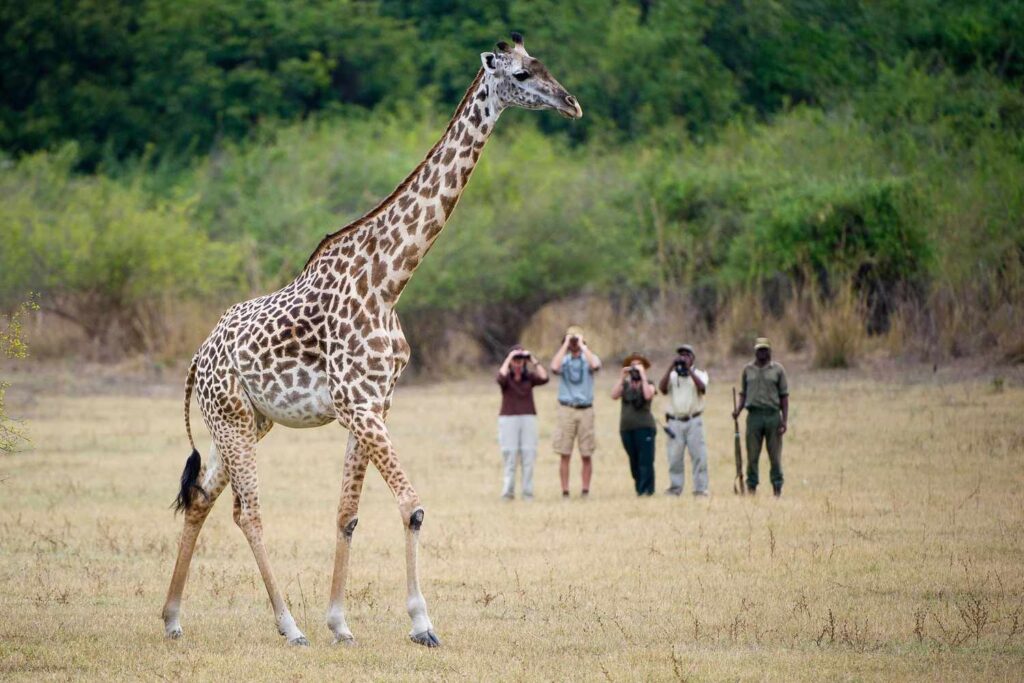
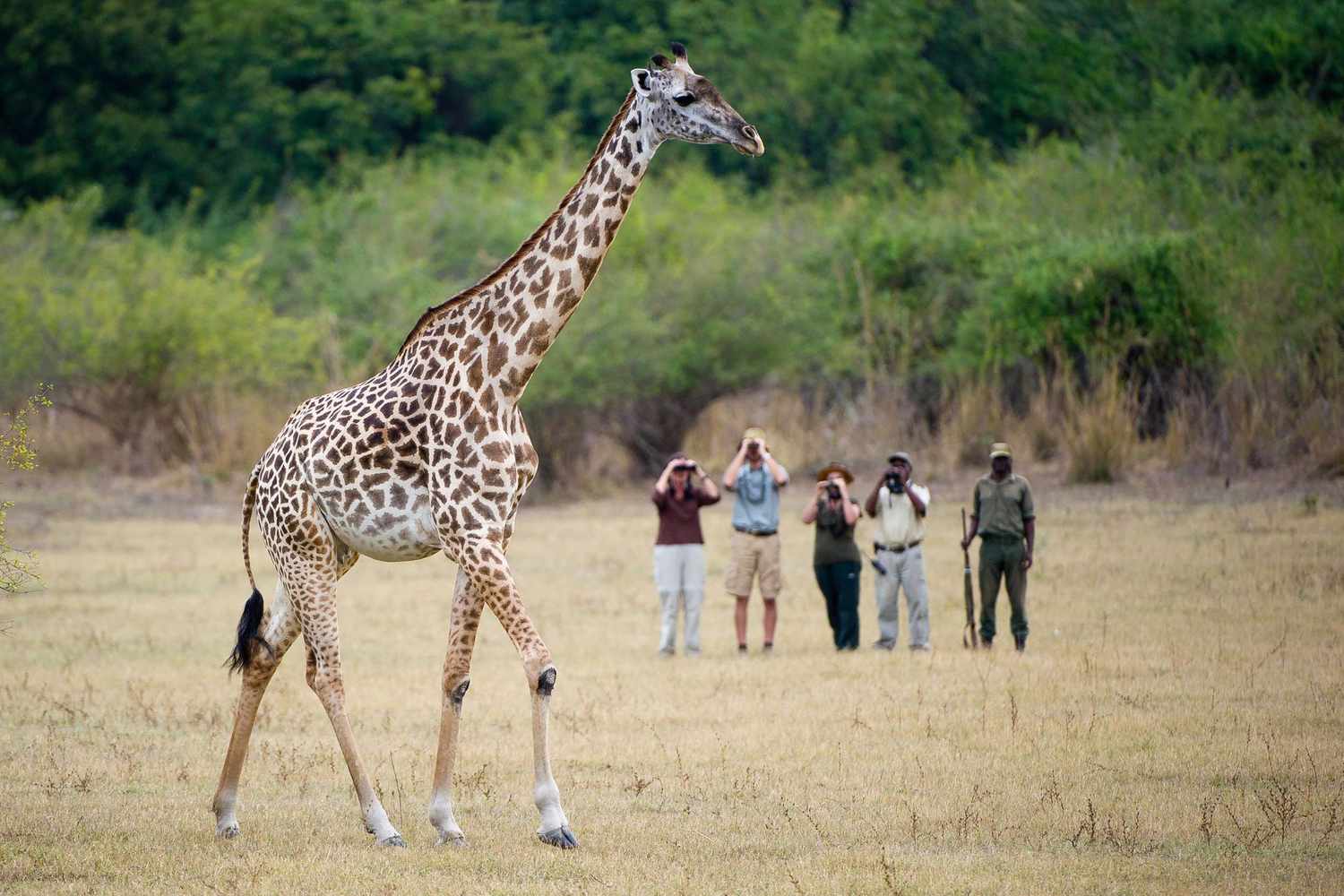
South Africa is famous for walking safaris, and guides here often specialize in tracking animals on foot. With them, travelers can see footprints, scat, and other clues that tell a story about animal movements. It’s a thrilling way to experience the bush, and only certified guides are permitted to lead such adventures due to safety requirements.
Example 3: Guide And Tourists On a Boat Safari In Botswana
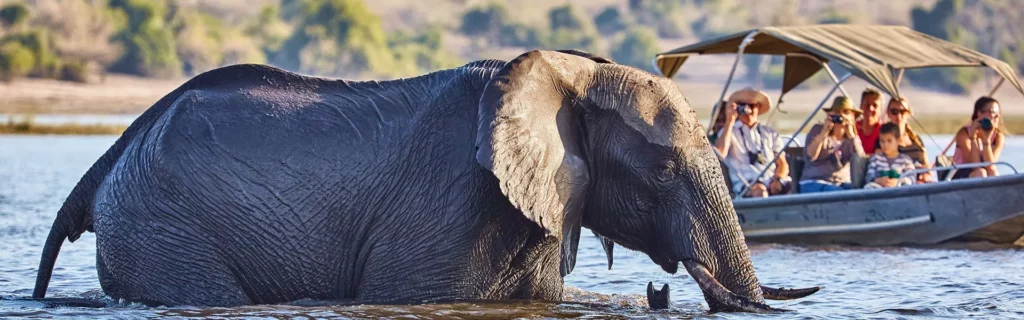
In Botswana’s Okavango Delta, guides often use mokoros (traditional dugout canoes) to navigate waterways. These guides understand both the aquatic environment and the terrestrial ecosystem. They can point out rare birds, hippos, and crocodiles, giving guests a perspective that can’t be gained from a jeep alone.
Example 4: Safari Guide With Tourists Photographing Elephants In Tanzania
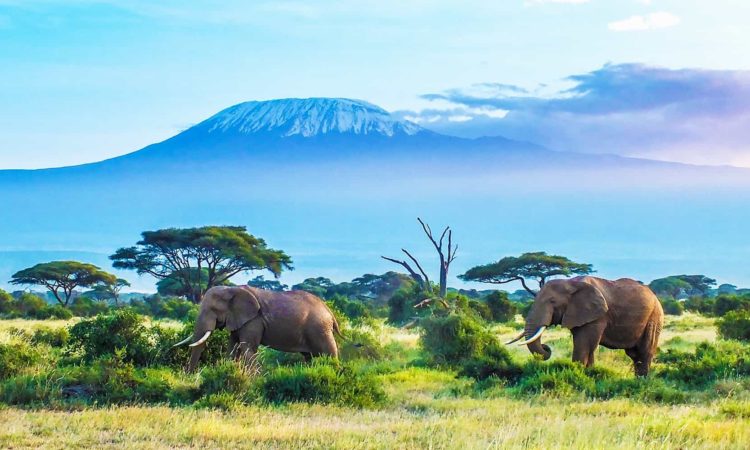
In Tanzania’s Serengeti, guides are skilled in managing long game drives, often during the Great Migration. They know the best vantage points and migration paths, ensuring travelers witness one of nature’s most spectacular events.
Benefits of Having an African Safari Tour Guide
One of the biggest benefits of hiring a safari guide is the depth of experience. Without one, travelers might miss rare sightings or fail to understand animal interactions. Guides enhance the experience with fascinating details that make the wilderness come alive.
Another advantage is conservation awareness. Many safari guides are involved in protecting wildlife and teaching visitors about responsible tourism. This ensures that safaris not only provide unforgettable memories but also contribute positively to local ecosystems.
Lastly, guides provide peace of mind. From navigating unfamiliar terrain to handling unexpected wildlife encounters, they ensure that guests feel safe and cared for throughout the journey.
Use Cases: When a Safari Guide Becomes Invaluable
First-time Safari Travelers
For first-time visitors, Africa can feel overwhelming. A guide simplifies everything—explaining the animals, ensuring safety, and helping guests understand the rhythm of the bush.
Wildlife Enthusiasts and Photographers
Professional photographers often rely on guides who know the best times and locations for specific wildlife encounters. Guides help position vehicles, manage lighting angles, and predict animal behavior to get the perfect shot.
Families Traveling with Children
Traveling with kids requires extra attention. Guides ensure children are safe while making the safari educational and fun. They adapt explanations to be engaging and memorable for young adventurers.
Adventure Seekers
Whether it’s a walking safari, night drive, or boat excursion, guides are essential in facilitating these more adventurous activities safely.
How Technology is Enhancing Safari Guiding
Modern safari guides often use technology to enhance the guest experience. GPS systems, wildlife tracking apps, and even drones in some reserves help guides provide real-time information. Technology doesn’t replace expertise, but it adds another layer of accuracy and depth to wildlife tracking.
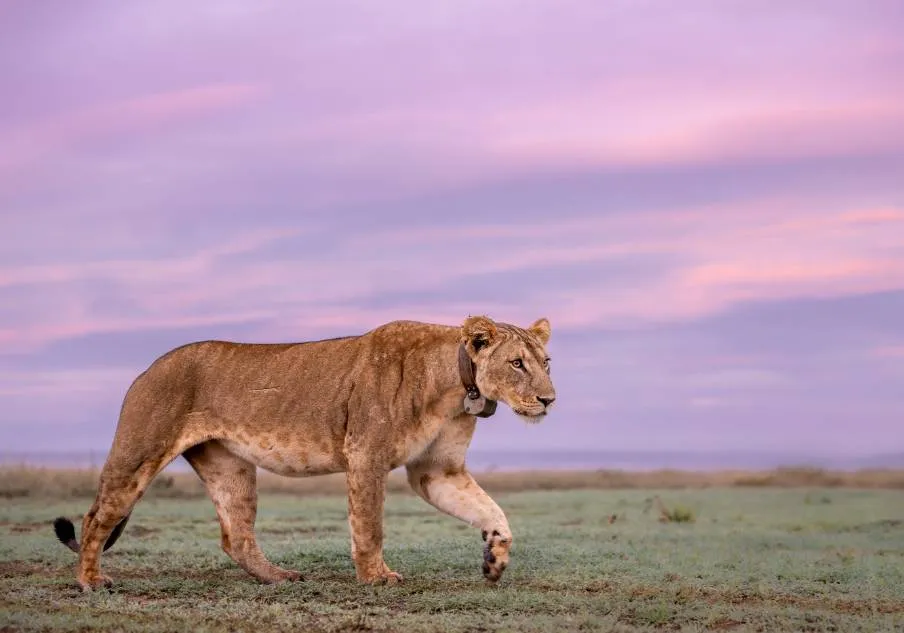
For example, guides might use GPS collars on lions to know their approximate location, ensuring guests get a chance to see them. Others use high-quality binoculars and digital field guides to share detailed insights about birds, plants, and insects.
Frequently Asked Questions
1. Why is an African safari tour guide important?
A safari guide ensures safety, enhances the experience with expert knowledge, and helps travelers see and understand wildlife behavior that might otherwise be missed.
2. Do safari guides have professional training?
Yes, most guides undergo rigorous training programs in wildlife ecology, tracking, first aid, and conservation. Some regions require special certifications before guides can lead tours.
3. Can a safari guide customize the trip experience?
Absolutely. Guides adapt itineraries based on traveler interests, whether it’s photography, birdwatching, or learning about local culture, making the journey more personalized and enjoyable.