Travel Guides by Mail Your Complete Resource for Travel Inspiration and Planning
Travel guides by mail are printed brochures, booklets, or catalogs that you can request from travel agencies, tourism boards, or specific destinations. These guides are mailed directly to your home, giving you a tangible way to explore travel opportunities without relying solely on online resources.
Unlike digital guides, which require an internet connection and screen time, mailed travel guides allow travelers to sit down and browse at their own pace. They often include colorful photos, detailed maps, suggested itineraries, and even cultural highlights of the region you’re interested in visiting.
For many travelers, receiving a guide in the mail makes the experience feel more personal. It provides a sense of anticipation for the journey ahead, almost like receiving a handwritten invitation to explore a new place.
Why Travel Guides by Mail Are Still Relevant
In an age where almost everything is digital, you might wonder why travel guides by mail remain popular. The answer lies in the unique advantages of physical brochures.
First, they give you a screen-free experience. Instead of scrolling endlessly online, you can flip through glossy pages filled with curated information. This tactile experience often makes travel planning more enjoyable. Second, mailed guides typically feature high-quality photography and insider tips sourced directly from local tourism boards, which means they’re reliable and up-to-date.
Many travelers find these guides useful because they serve as permanent references. Even if your internet is unstable or your phone battery dies while traveling, a printed brochure remains dependable. For older generations or those who prefer physical reading material, mailed guides bring a sense of familiarity and trust.
Real-World Examples of Travel Guides by Mail
Example 1: National Park Service Travel Brochures

The U.S. National Park Service is one of the most well-known providers of travel guides by mail. When you request their brochures, you receive detailed booklets filled with maps, hiking trails, safety tips, and highlights of must-see spots within each park.
These mailed guides are particularly useful for planning road trips, as they often include camping options, scenic drives, and seasonal recommendations. Beyond logistics, the brochures inspire adventure by showcasing breathtaking photography that captures the essence of America’s natural wonders.
Example 2: State Tourism Board Guides
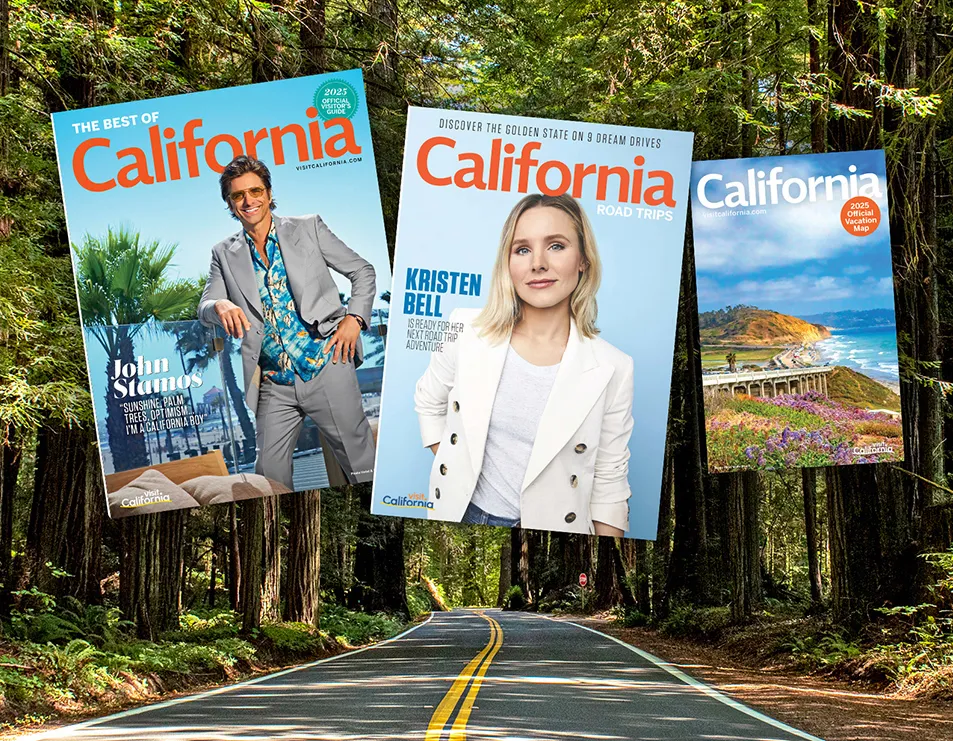
Many state tourism offices, such as Visit California or Travel Texas, offer free mailed brochures to potential travelers. These guides often highlight major attractions, hidden gems, events, and local culture unique to the state.
For example, a California travel guide might include wine country maps, theme park details, and coastal road trip itineraries. Meanwhile, a Texas guide could highlight music festivals in Austin, BBQ trails, and national parks like Big Bend. Receiving these guides by mail provides a more localized perspective than generic online sources.
Example 3: Cruise Line Travel Catalogs

Cruise companies like Royal Caribbean and Carnival still send physical travel catalogs by mail. These booklets showcase available itineraries, deck plans, and activities on board. While online booking is popular, mailed cruise brochures give potential travelers a chance to explore different destinations in a visually engaging format.
The value here lies in the detailed maps, port highlights, and insider travel tips that go beyond what a standard website listing might provide. For families or retirees planning a long vacation, having a physical reference is a practical tool for group discussions.
Example 4: International Destination Guides

Tourism boards from countries like Ireland, Japan, or Australia also mail travel guides worldwide. These booklets are particularly valuable for international travelers seeking inspiration and practical details about local culture, cuisine, and attractions.
For instance, the Ireland tourism board sends guides that highlight famous road trips like the Wild Atlantic Way. Similarly, Japan’s travel brochures emphasize cultural etiquette, local festivals, and traditional experiences beyond just Tokyo and Kyoto. These guides not only inform but also inspire travelers to look deeper into unique experiences.
Benefits of Using Travel Guides by Mail
One of the biggest benefits of travel guides by mail is reliability. Unlike online content that may be outdated, mailed guides are usually curated and printed annually, ensuring the details are current and relevant.
Another benefit is better planning ng organization. Travelers can highlight, bookmark, or even cut out sections of the guide to create their own customized travel folder. This makes planning less overwhelming compared to navigating endless online options.
Additionally, travel guides by mail often include exclusive tips or discounts. For example, a mailed brochure from a state tourism board might feature vouchers for local attractions or lesser-known accommodations. These extras make the guides not just informational but also practical.
Practical Use Cases of Travel Guides by Mail
Travel guides by mail are particularly useful for families planning vacations. Parents can use the physical guides to involve children in trip planning by letting them pick out activities or destinations from the brochures. This makes the planning process interactive and fun.
For solo travelers, mailed guides provide peace of mind. Having a physical brochure helps them navigate areas without relying on technology, especially in remote destinations where internet access is limited.
Retirees and older travelers also benefit from guides by mail because they may prefer physical materials over digital platforms. The clear maps and structured itineraries often make travel less stressful and more enjoyable for them.
Technology and Travel Guides by Mail
Even though travel guides by mail are physical, technology has improved their effectiveness. Many brochures now include QR codes that link to updated online resources. This hybrid approach allows travelers to enjoy the tactile experience of flipping through pages while still accessing real-time updates digitally.
Some tourism boards even use augmented reality features in their brochures. By scanning an image with your phone, you might see a 3D model of a landmark or a virtual tour of a destination. This blend of print and tech provides an innovative way to bridge traditional and modern travel planning.
Frequently Asked Questions (FAQ)
1. Are travel guides by mail free?
Yes, many travel guides by mail are free, especially those distributed by tourism boards or government agencies. Some premium catalogs may require a subscription, but most are complimentary.
2. How long does it take to receive travel guides by mail?
Delivery times vary depending on the provider and your location. Typically, domestic guides arrive within 1–2 weeks, while international brochures may take longer.
3. Do travel guides by mail cover niche interests like food or adventure travel?
Absolutely. Many mailed guides are designed for specific themes such as wine tours, hiking, cultural events, or family-friendly activities. This helps travelers find the right experiences for their interests.