Vacation Brochures by Mail A Complete Guide to Printed Travel Inspiration and Planning Resources
Vacation brochures by mail remain one of the most traditional yet effective ways of inspiring travelers to explore new destinations. Unlike digital guides, these printed materials are tangible, beautifully designed, and filled with detailed images that transport readers into the heart of each destination. They give travelers a sense of immersion, offering more than just practical details; they build an emotional connection.
Printed travel brochures are often curated by tourism boards, cruise companies, resorts, or tour operators. Each brochure provides insights into attractions, accommodations, activities, and cultural experiences that might not always be as vividly portrayed online. For many travelers, the tactile experience of flipping through glossy pages makes the planning process more exciting.
Why Vacation Brochures Still Matter Today
Traveler Relaxing On a Couch While Reading a Mailed Vacation Brochure

In the digital age, some might assume that print brochures are outdated. However, their relevance continues, especially for travelers who prefer physical planning tools over screens. A brochure in hand eliminates distractions from notifications, ads, or pop-ups and allows travelers to fully focus on the destination being presented.
Brochures also serve as keepsakes and memory builders. Many travelers save them for inspiration, use them as checklists when visiting attractions, or even frame them as souvenirs. This long-lasting value is something digital formats often lack. Furthermore, mailed brochures can reach audiences who may not be tech-savvy, ensuring inclusivity across different age groups and demographics.
Real-World Examples of Vacation Brochures by Mail
A Cruise Line Vacation Brochure Featuring the Caribbean Islands

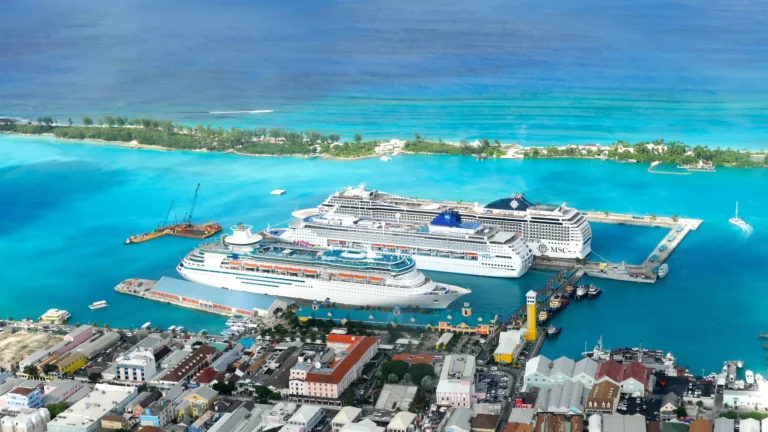
One strong example comes from major cruise lines. Many companies send brochures showcasing routes, amenities, and onboard experiences. A Caribbean cruise brochure, for instance, often features vivid imagery of turquoise waters, tropical cocktails, and descriptions of port stops that ignite wanderlust. Travelers can see at a glance the variety of itineraries offered, from family adventures to luxury voyages.
A National Park Travel Brochure Highlighting Scenic Hiking Trails.ls

Another example is national park brochures. These mailed guides highlight hiking trails, wildlife, camping areas, and safety tips. For nature enthusiasts, flipping through a printed park brochure helps them visualize their journey more clearly, making it easier to plan routes, gear, and accommodations.
A Resort Vacation Brochure With Luxury Spa And Pool Imagery
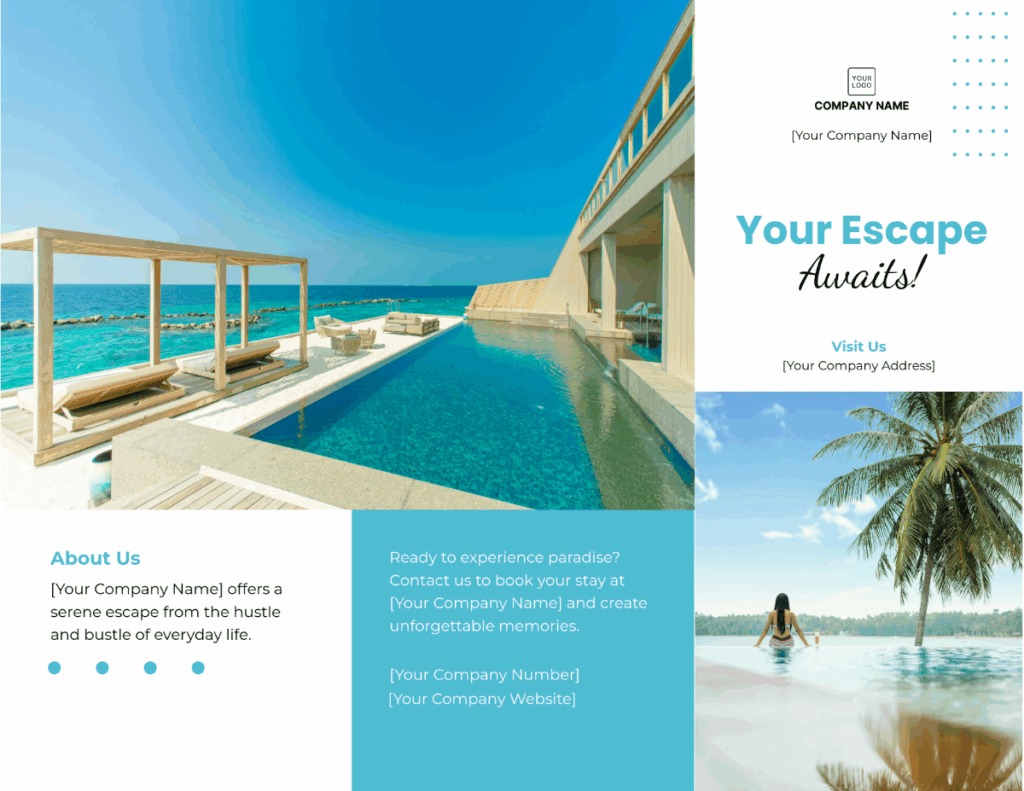
Resorts also use brochures to showcase their accommodations. From spa treatments and dining options to nearby excursions, these brochures provide an in-depth look at what guests can expect. The physical brochure often conveys a sense of elegance and exclusivity, enhancing the appeal of the resort.
Benefits of Vacation Brochures by Mail
Brochures provide multiple practical benefits that go beyond just aesthetics. First, they serve as comprehensive travel planners. Most brochures include maps, itineraries, cultural insights, and practical tips, all in one easy-to-carry format. Travelers can mark pages, highlight sections, and carry them during trips without worrying about internet connectivity.
Another benefit lies in accessibility. Since brochures are delivered by mail, they can be accessed without requiring any digital device. This ensures that even remote destinations or older audiences can still receive valuable travel information without navigating websites or apps.
Moreover, brochures often give a sense of trustworthiness. Printed materials undergo editorial curation, making the information more reliable compared to the vast sea of online content, where accuracy can sometimes be questionable.
Use Cases in Real Life
Vacation brochures by mail solve specific travel planning challenges. For example, families planning multi-generational trips often find brochures useful because grandparents and parents can sit together and explore options without needing everyone to huddle around a screen.
Brochures also serve professionals who plan group tours, such as teachers, event organizers, or corporate retreat planners. Having physical material makes it easier to share details with participants. Additionally, brochures mailed ahead of a trip help build excitement in students on a school trip to Washington, D.C., for instance, might receive brochures highlighting the monuments and museums they’ll visit, creating anticipation.
For solo travelers, brochures often become sources of inspiration. Someone unsure about where to go next might receive a brochure about Alaska cruises or European tours, and that visual spark could shape their travel decision.
Frequently Asked Questions
1. Are vacation brochures by mail still free to request?
Yes, many tourism boards and travel companies offer free brochures by mail. Their goal is to attract travelers, so the cost of mailing brochures is often included in their marketing budget.
2. How do vacation brochures differ from online travel guides?
While online guides provide instant updates and interactive features, brochures offer a distraction-free, tangible experience. They are designed with stunning visuals and layouts that make the planning process more immersive.
3. Who benefits the most from mailed vacation brochures?
Travelers who prefer printed materials, families planning together, older audiences, and those seeking detailed, curated travel inspiration benefit the most from mailed brochures. They’re especially valuable for people who enjoy a hands-on approach to planning.