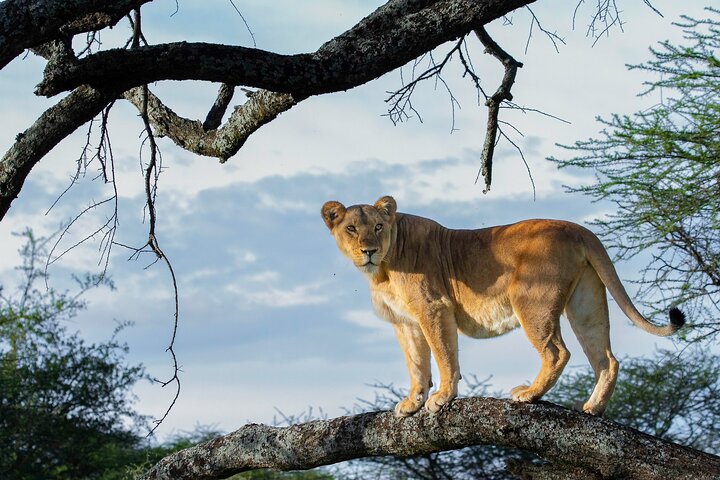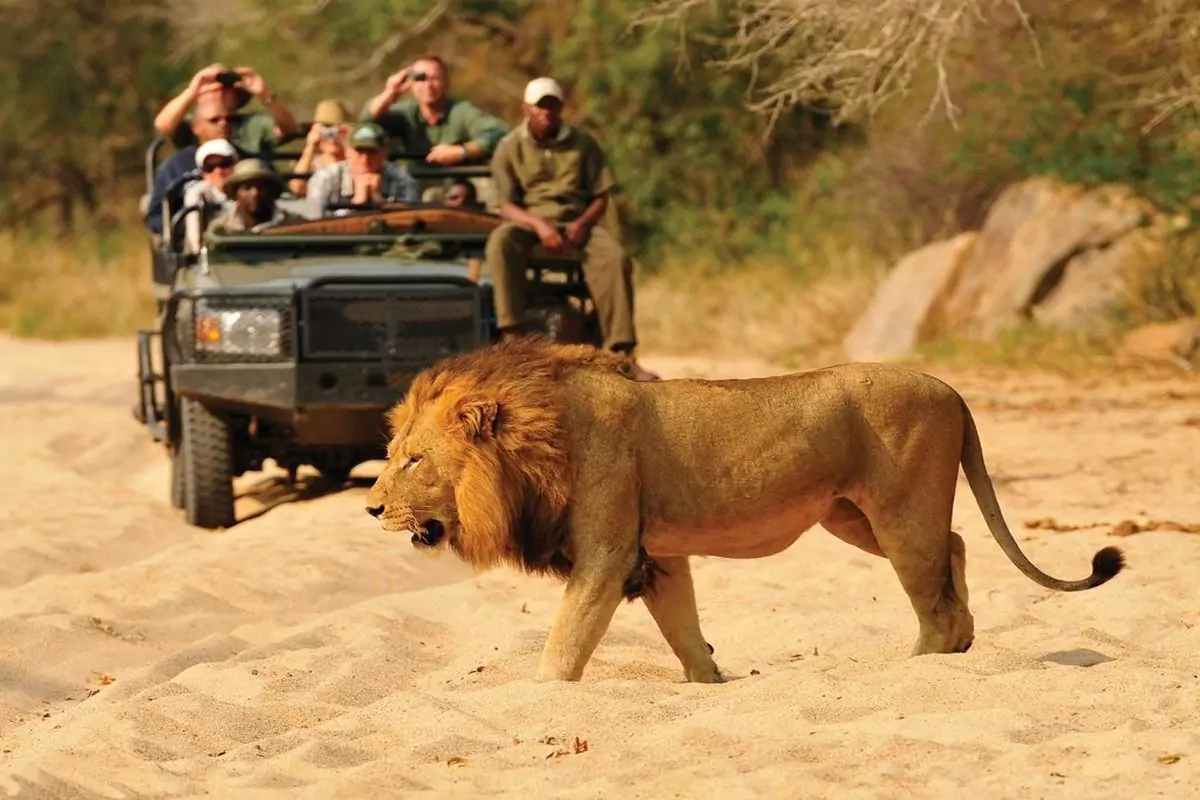
Planning a Safari Trip Complete Guide for First-Time and Experienced Travelers
Planning a safari trip is not just about booking a flight to Africa and hopping into a jeep. It’s a carefully crafted journey that requires preparation, insight, and a clear understanding of the experience ahead. From the wildlife you’ll encounter to the accommodations you’ll stay in, a well-planned safari can mean the difference between a once-in-a-lifetime adventure and a stressful, underwhelming trip.
A safari involves more than simply spotting animals. It’s about understanding ecosystems, engaging with local guides, and embracing an entirely different pace of travel. When done right, planning ensures that your safari feels both thrilling and smooth, without unexpected obstacles that could derail the adventure.
Essential Steps in Planning a Safari Trip
Choosing the Right Destination
One of the most critical steps in planning a safari trip is choosing where to go. Africa is vast, and each region offers unique experiences. Kenya and Tanzania are famous for the Great Migration, while Botswana is renowned for water-based safaris in the Okavango Delta. South Africa combines wildlife with luxury lodges, and Uganda or Rwanda offer the rare chance to see mountain gorillas.
The choice of destination determines what animals you’ll see, the best time of year to visit, and the overall style of your adventure. A well-chosen destination aligns your expectations with reality, whether you want to see the Big Five or prefer birdwatching in a remote setting.
Selecting the Best Time to Travel
Timing is everything in safari planning. Seasons influence animal migrations, water availability, and weather conditions. The dry season, typically from June to October in many regions, makes it easier to spot wildlife around waterholes. Meanwhile, the wet season brings lush landscapes, fewer crowds, and lower prices.
Knowing when to go also impacts the style of safari. For example, if your dream is to witness the wildebeest migration in Serengeti or Masai Mara, you’ll need to plan precisely around the migration cycle.
Real-World Examples of Safari Planning
Example 1: Serengeti, Tanzania
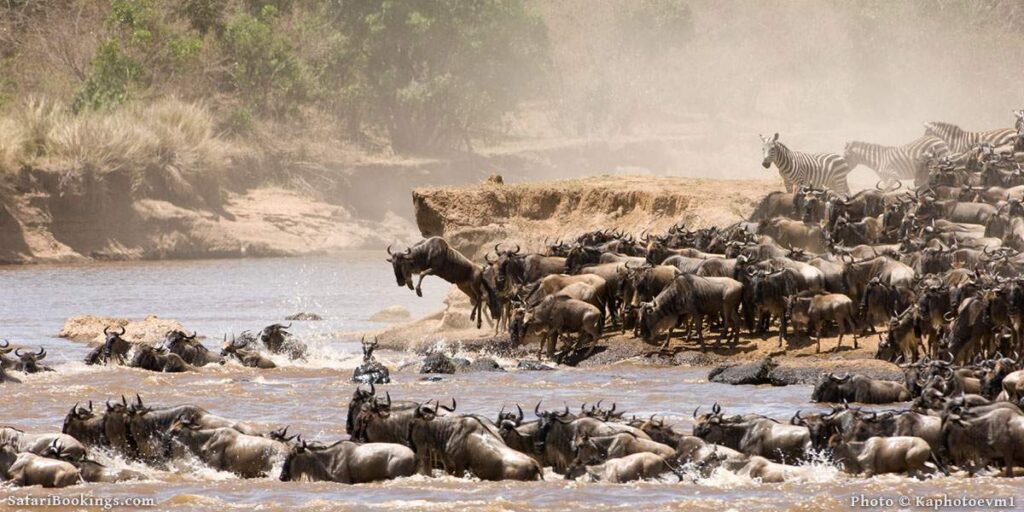
The Serengeti is the classic safari destination, home to the Great Migration. Travelers who plan properly can witness dramatic river crossings as wildebeests and zebras move in massive herds. Planning here involves booking well in advance since lodges fill up quickly during peak migration months.
The relevance of the Serengeti lies in its scale and biodiversity. With lions, cheetahs, elephants, and countless bird species, the park offers a complete safari experience that’s unforgettable when well-prepared.
Example 2: Okavango Delta, Botswana
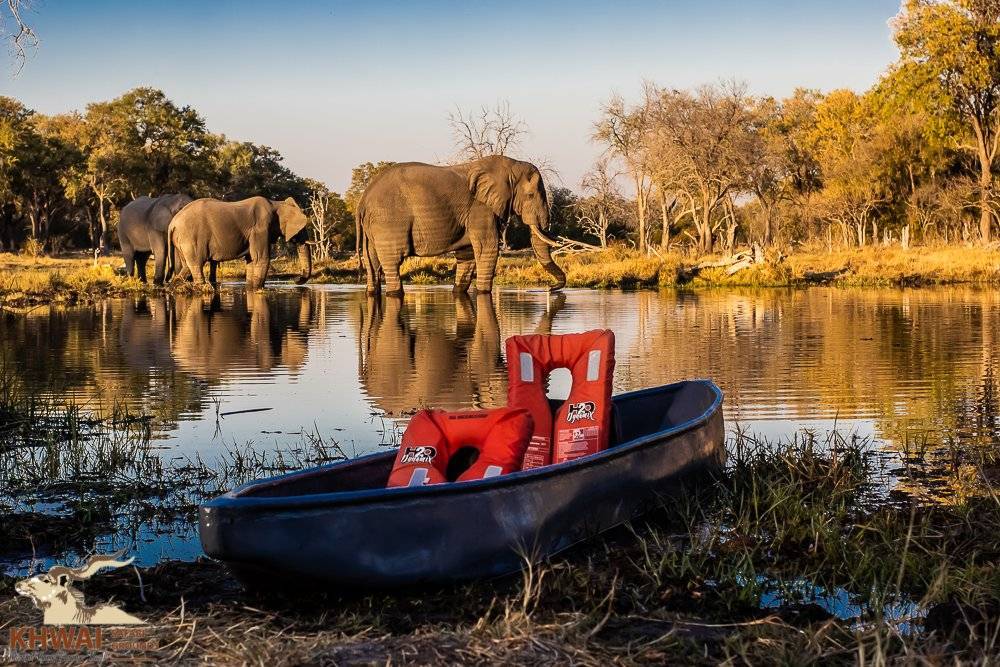
The Okavango Delta is a unique water-based safari destination. Planning involves arranging boat trips, known as mokoros, and choosing lodges accessible only by air. It’s essential to account for logistics, as accessibility differs dramatically compared to land-based safaris.
This safari is relevant for those seeking a more immersive and off-the-beaten-path adventure. Unlike traditional jeep safaris, travelers glide silently through waterways, encountering hippos, elephants, and rare birds.
Example 3: Kruger National Park, South Africa
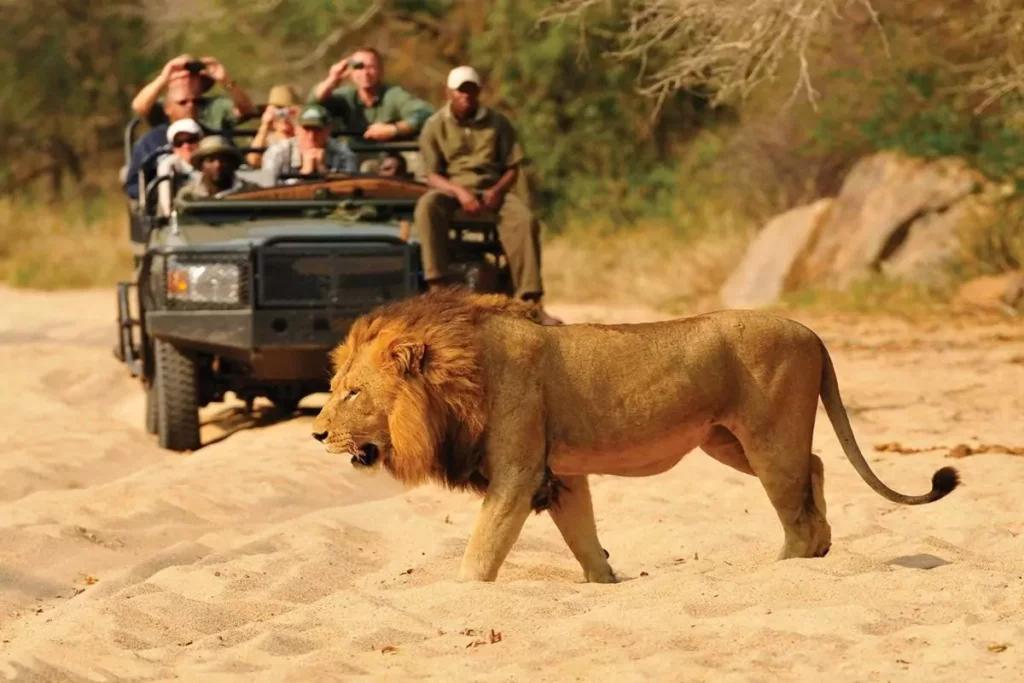
Kruger National Park is ideal for first-time safari-goers. It offers paved roads, self-drive options, and a wide range of accommodations. Planning here is about balancing convenience with adventure. Many travelers combine guided tours with self-drives for a versatile experience.
Kruger stands out because it’s accessible and budget-friendly while still offering excellent opportunities to see the Big Five. Planning ensures that even beginners have a rewarding safari without feeling overwhelmed.
Example 4: Bwindi Impenetrable Forest, Uganda
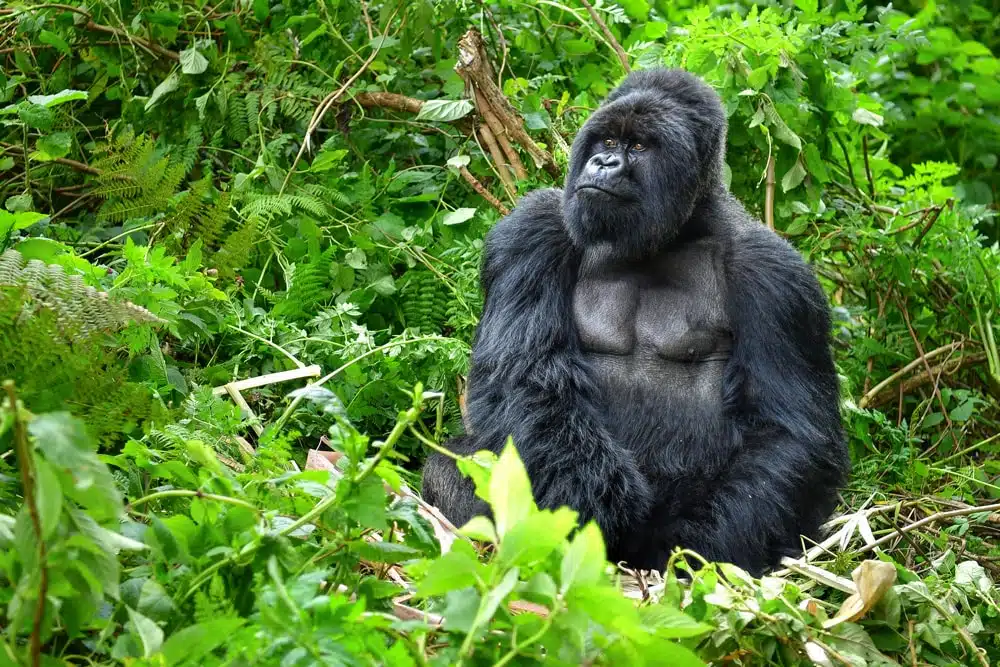
Bwindi is the ultimate destination for gorilla trekking. Planning here involves securing permits, which are limited and must be booked months in advance. Physical preparation is also necessary since trekking involves steep climbs and thick jungle.
This safari option is relevant for those who want a once-in-a-lifetime wildlife encounter. Seeing mountain gorillas in their natural habitat is unforgettable, but only possible with meticulous planning.
Benefits of Technology in Safari Planning
Technology has revolutionized safari planning. From apps that track animal movements to online forums with firsthand traveler advice, digital tools make the process more informed and efficient. Many safari lodges also offer virtual tours and detailed itineraries that help travelers visualize their experience in advance.
Another key benefit is safety. GPS tracking, communication apps, and digital medical resources ensure that even in remote areas, travelers stay connected and secure. This practical use of technology transforms safari planning from guesswork into a streamlined, confident process.
Practical Use Cases of Safari Planning
Problem-Solving Through Planning
Safari planning solves numerous problems travelers might face in the wild. For instance, without research, you may arrive in the wrong season and miss key wildlife events. Planning eliminates these issues by aligning travel dates with animal behavior patterns.
It also solves logistical challenges. From booking limited permits to ensuring vaccinations are in place, proper planning helps avoid last-minute surprises that could ruin the trip.
Real-Life Usefulness
Planning makes safaris more enjoyable and less stressful. Families with children benefit from lodges offering child-friendly programs. Solo travelers gain peace of mind from knowing accommodations and transfers are secure. Couples can customize trips for romance, ensuring a private and intimate experience.
By tailoring the safari to individual needs, planning ensures that the trip is not just about seeing wildlife but about creating meaningful, personal memories.
Frequently Asked Questions
1. How far in advance should I start planning a safari trip?
It’s best to start planning at least 6 to 12 months. This ensures the availability of lodges, permits, and the best guides, especially during peak seasons.
2. What should I pack when planning a safari trip?
Essential items include neutral-colored clothing, binoculars, sun protection, and sturdy shoes. Technology like power banks and cameras also enhances the experience.
3. Is planning a safari trip necessary if I use a tour operator?
Yes. Even if you hire a tour operator, planning ensures your preferences are clear. It helps operators design a customized itinerary that matches your expectations.