Ultimate Guide to Tour Guide Safari Insights, Benefits, and Real-World Experiences
A safari tour guide is more than just someone who shows you around. They are storytellers, wildlife experts, and protectors of cultural and natural heritage. Their role goes beyond pointing out lions or elephants; they explain animal behaviors, ecosystems, and even local traditions that shape the safari experience.
A professional safari tour guide enhances a trip by making it both safe and memorable. Without them, travelers would likely miss critical wildlife encounters or fail to understand the deeper meaning of the landscapes and communities they explore.
Why a Tour Guide Safari Is Essential for Travelers
Traveling on safari can be intimidating for first-timers. The wild is unpredictable, and navigating national parks or reserves requires experience. A safari guide provides reassurance, safety, and education, helping travelers enjoy every moment without worrying about logistics or dangers.
Guides also bridge cultural understanding. Many safaris take place near indigenous communities, and local guides provide authentic perspectives that travelers would not otherwise access. This makes the journey richer and more meaningful.
Key Skills of a Professional Safari Guide
Wildlife Knowledge
A safari tour guide is trained to recognize animal tracks, sounds, and behaviors. This expertise ensures visitors can spot rare animals while keeping a safe distance. For instance, guides can predict when elephants are calm or agitated, helping avoid risky encounters.
Navigation and Survival Skills
Navigating vast savannas or dense forests is not easy. Guides use maps, GPS, and sometimes even traditional techniques to lead travelers safely through challenging environments. Their survival skills also play a vital role in emergencies.
Benefits of Having a Safari Tour Guide
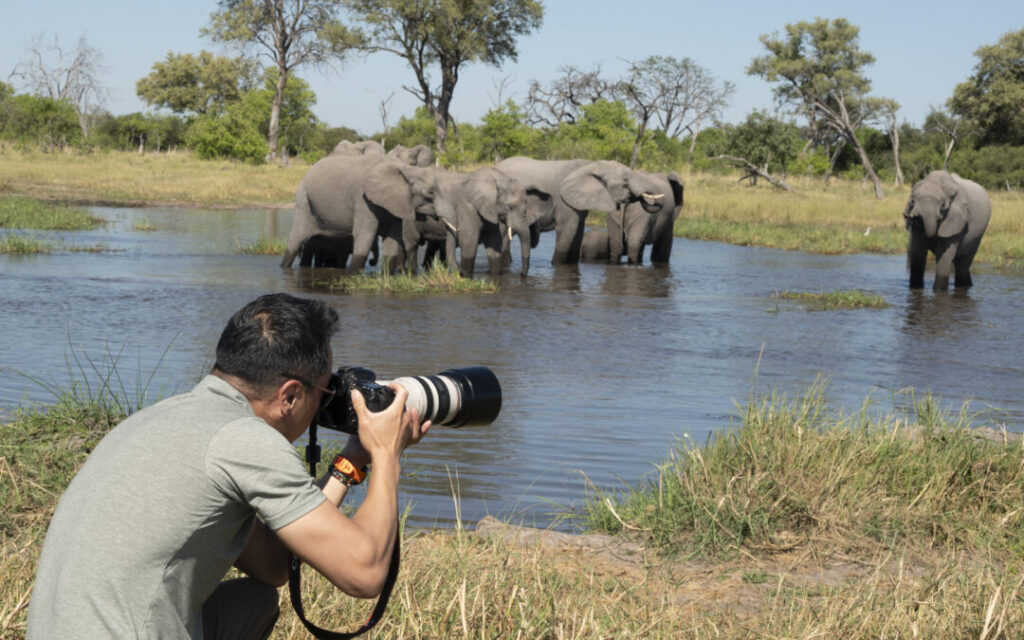
Safari guides transform a trip from ordinary sightseeing to an immersive adventure. Their insights add depth, turning a simple animal encounter into an unforgettable story.
They also handle unexpected challenges like sudden weather changes or park restrictions. With their expertise, travelers save time, avoid stress, and gain a more rewarding experience.
Real-World Examples of Safari Tour Guides in Action
Example 1: Serengeti Migration Safari
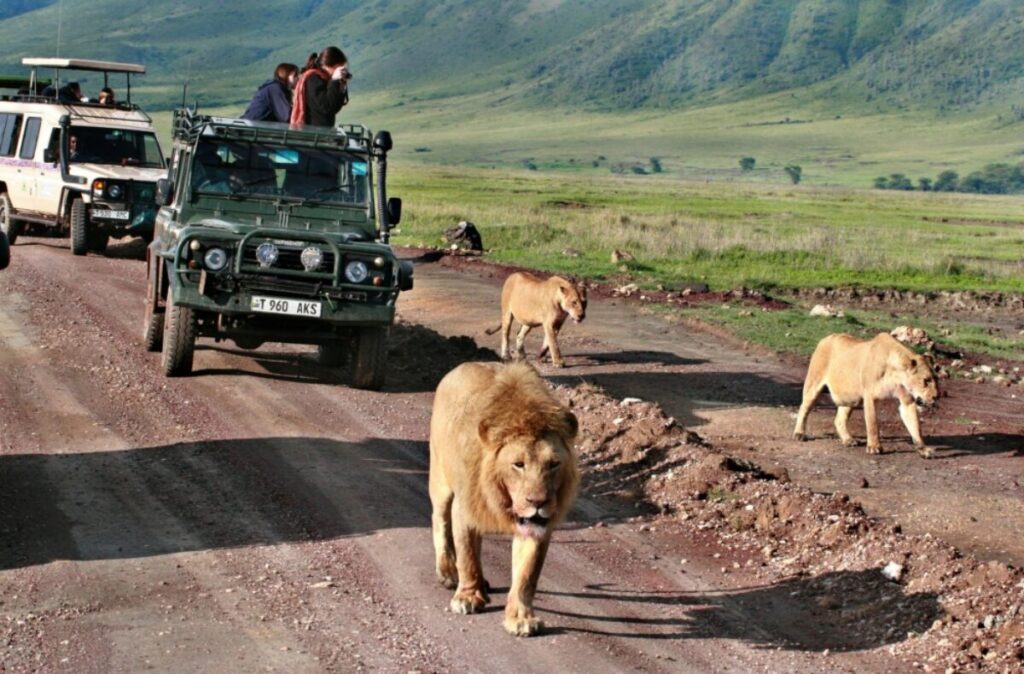
In Tanzania’s Serengeti, the Great Migration attracts millions of wildebeest and zebras. Safari guides track animal movements and take travelers to the best vantage points. Without their expertise, visitors could easily miss this spectacular event or end up in overcrowded areas.
The guide’s role here is not just navigation, but also storytelling, explaining the ecological importance of migration and how predators like lions or crocodiles interact during the journey.
Example 2: Maasai Cultural Safari in Kenya
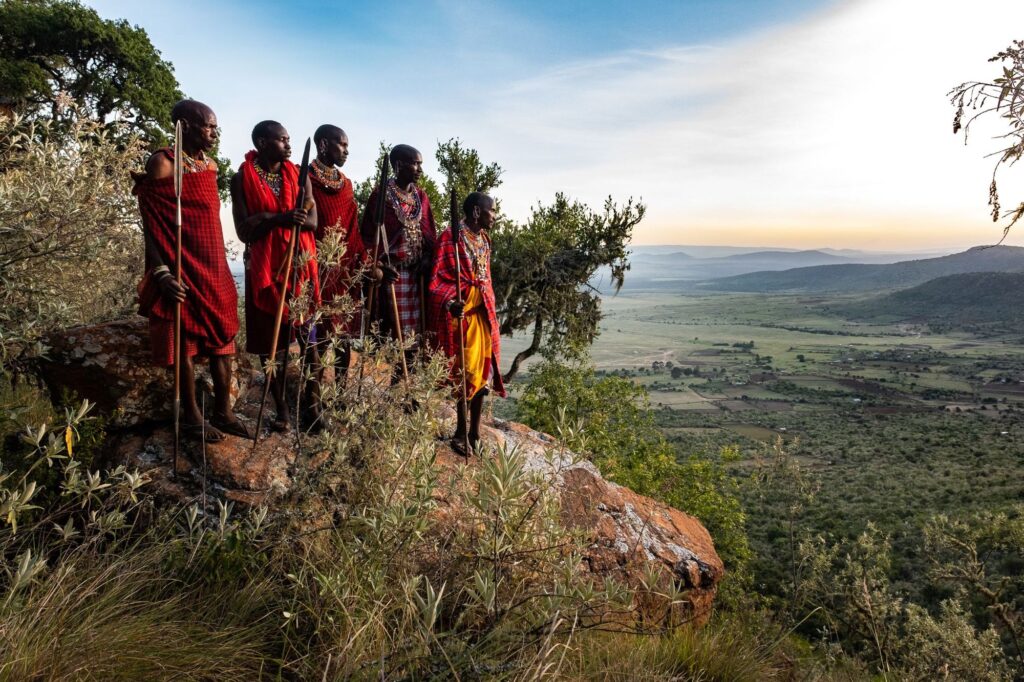
Some safaris focus on cultural immersion. A Maasai guide, for example, can lead travelers through local villages, explaining traditional practices, dances, and community life. This adds an entirely different dimension beyond wildlife.
The experience becomes more personal, as travelers learn directly from someone who has lived within the ecosystem for generations.
Example 3: Kruger National Park Safari in South Africa
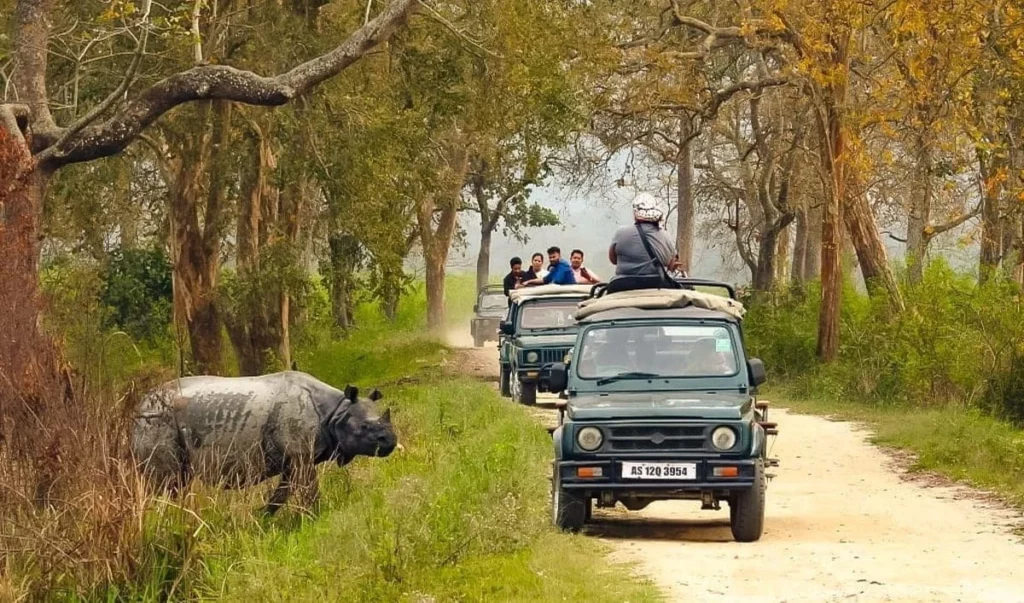
Kruger is one of Africa’s most visited parks. Safari guides here manage both large groups and private tours. They provide detailed information about conservation efforts, endangered species, and the challenges of wildlife protection.
With strict park rules and vast landscapes, guides ensure tourists respect regulations while maximizing sightings of the Big Five: lion, leopard, elephant, rhino, and buffalo.
Example 4: Okavango Delta Safari in Botswana
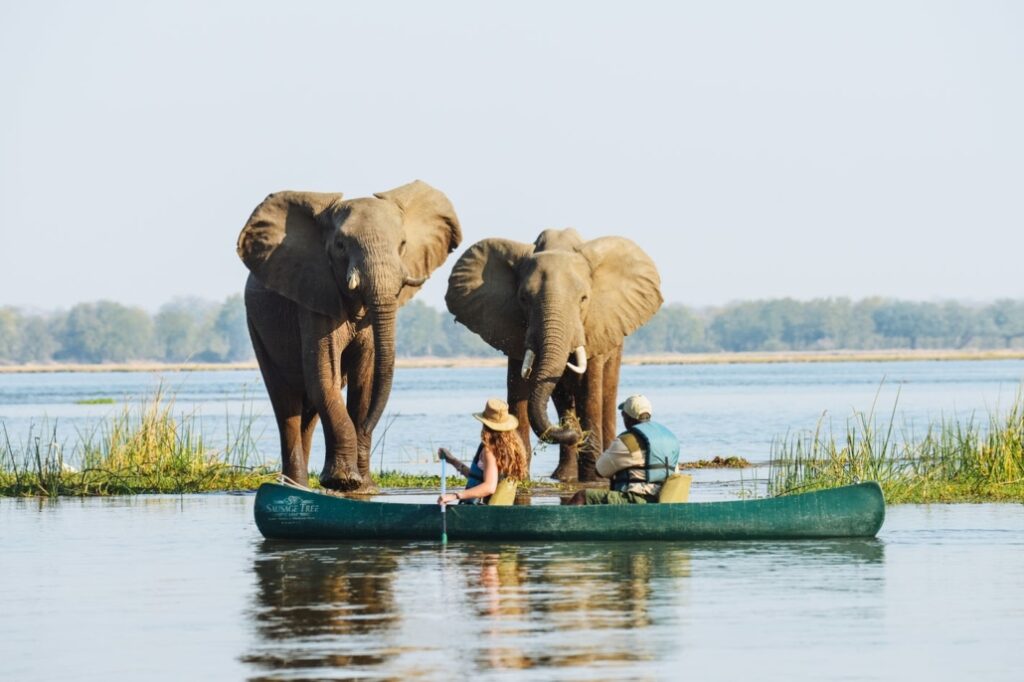
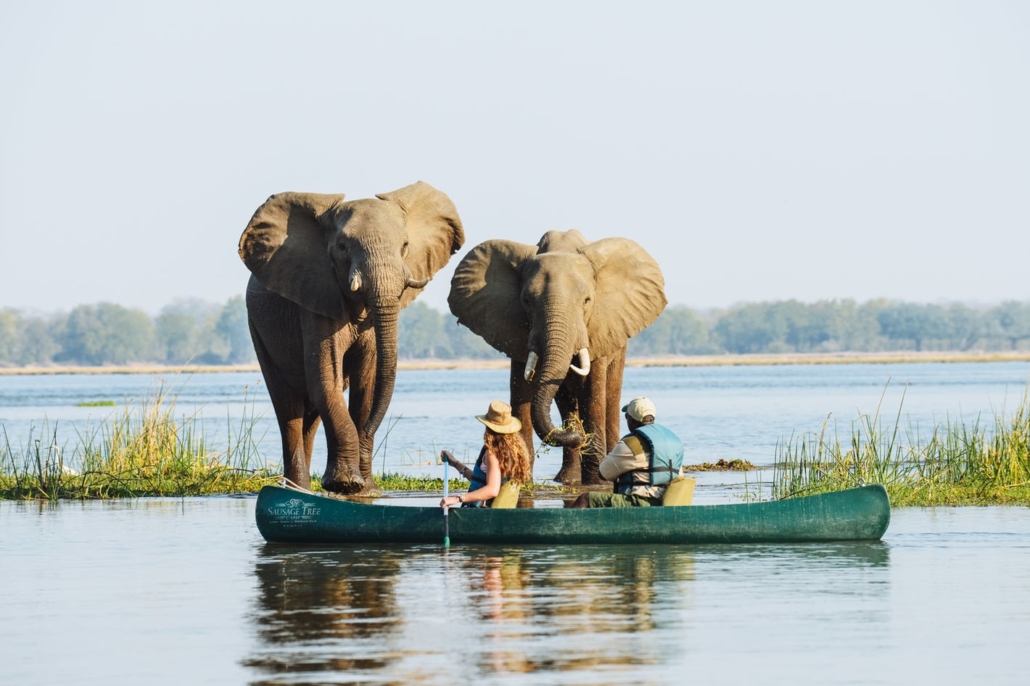
In the Okavango Delta, safaris often include water-based exploration using traditional mokoro canoes. Guides not only navigate waterways filled with hippos and crocodiles but also explain the fragile wetland ecosystem.
Their role here involves balancing safety with education, allowing visitors to experience the delta’s unique beauty without disturbing its delicate environment.
Example 5: Gorilla Trekking Safari in Uganda
Gorilla trekking is physically demanding and often involves navigating steep forests. Guides here act as trackers, ensuring the group safely finds gorilla families while maintaining conservation protocols.
This is one of the most memorable safari experiences in the world, but it would be impossible without expert guidance due to the difficulty and strict regulations involved.
Practical Use Cases of Tour Guide Safari
Enhancing Wildlife Conservation Awareness
Safari guides help spread awareness about the importance of protecting endangered species. By educating travelers, they indirectly contribute to conservation efforts.
Supporting Local Economies
Hiring local guides supports communities financially. This creates a sustainable travel model where tourism benefits not just visitors but also the people living near safari destinations.
Improving Travel Safety
Guides manage risks like sudden animal charges, difficult terrains, or changing weather. This allows travelers to enjoy the adventure while minimizing potential dangers.
Benefits of Technology in Safari Tour Guiding
Modern safari guides use technology to improve experiences. GPS systems help track animals, drones are used in some areas for scouting, and apps provide real-time information about wildlife movements.
Technology also assists with communication. Guides can update lodges or rangers about locations, ensuring better coordination and safety.
While technology enhances the safari, guides balance its use with traditional skills, ensuring the authentic safari spirit is preserved.
Why Safari Tour Guides Are Indispensable
Without guides, safaris would be riskier, less informative, and far less rewarding. They transform a trip into a story worth telling, offering knowledge, safety, and connection to nature and culture.
Travelers not only see wildlife but also understand the deeper meaning of conservation, ecology, and community.
Frequently Asked Questions
1. Why should I hire a safari tour guide instead of going alone?
A safari guide ensures safety, maximizes wildlife sightings, and provides deeper insights into nature and culture that you would likely miss on your own.
2. What skills do safari tour guides have?
They possess wildlife knowledge, navigation expertise, first-aid training, and cultural understanding, all of which create a safer and more meaningful safari.
3. Do safari guides also focus on conservation?
Yes, many guides work closely with conservation projects, educating tourists and supporting sustainable tourism to protect wildlife and ecosystems.