A Tour Guide The Complete Informational Guide for Memorable Travel Experiences
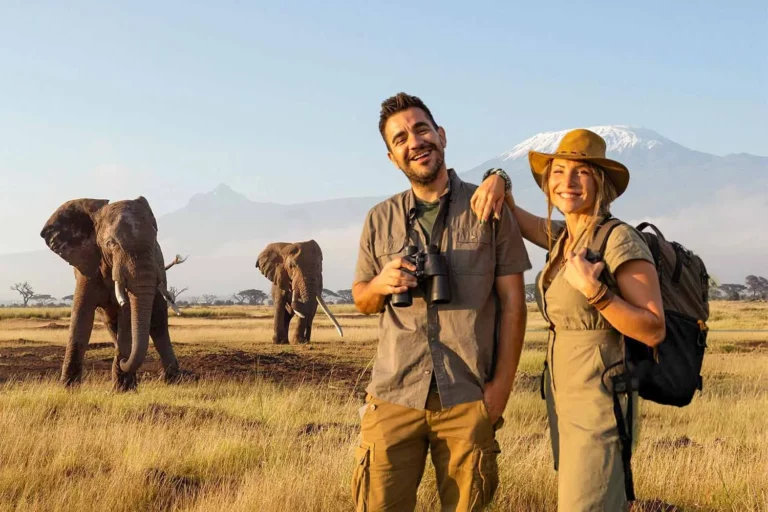
A tour guide is more than just someone who explains facts during a trip. They act as storytellers, educators, entertainers, and cultural ambassadors. Their role is to bring destinations to life and transform a simple visit into an unforgettable experience. From heritage tours to wildlife safaris, guides are at the center of a traveler’s journey.
The job requires a mix of knowledge, charisma, and adaptability. Tourists rely on guides not only for historical or cultural information but also for safety, navigation, and sometimes even humor. In essence, a tour guide bridges the gap between travelers and the destination, turning unfamiliar places into approachable adventures.
The Key Responsibilities of a Tour Guide
Providing Accurate and Engaging Information
One of the most important responsibilities of a tour guide is delivering factual, well-researched, and engaging information. Tourists expect more than just a script; they want stories, anecdotes, and insights that help them connect with the place. A great guide knows how to mix history with humor and present complex facts in a digestible way.
They must also tailor the information to the audience. A group of children, for instance, requires a lighter and more interactive style, while academic groups may expect deeper and more technical details.
Ensuring Safety and Comfort
Guides are also responsible for the safety of their group. Whether it’s navigating busy city streets, hiking trails, or cultural festivals, the guide ensures that participants remain safe and comfortable throughout the experience. They are trained to handle emergencies, assist with logistics, and act as a point of contact for any issues that arise.
Essential Skills Every Tour Guide Must Have
Communication and Storytelling Skills
Being an excellent communicator is the foundation of this profession. A tour guide must speak confidently and in a way that captivates their audience. Storytelling is equally important, weaving narratives that spark curiosity and excitement while keeping travelers engaged.
Storytelling is what makes a trip memorable. A castle tour is not just about dates and battles but also about the lives of the people who lived there. By adding humor, drama, or suspense, a guide transforms facts into experiences.
Cultural Sensitivity and Adaptability
Another vital skill is cultural awareness. A tour guide interacts with travelers from diverse backgrounds, which requires sensitivity and respect. They must adapt to different cultural expectations and avoid stereotypes. The ability to quickly adjust to unexpected situations, such as weather changes or last-minute itinerary updates, is also key.
Real-World Examples of Tour Guides in Action
Heritage Tour Guide

Heritage guides specialize in historical sites, museums, and cultural landmarks. Their expertise makes ancient places come alive with stories. For instance, a guide at the Colosseum in Rome doesn’t just explain architecture but also transports tourists to the time of gladiators, emperors, and roaring crowds.
These guides help travelers see beyond the stones and structures, offering insights into the human history that shaped the site.
Wildlife Safari Guide
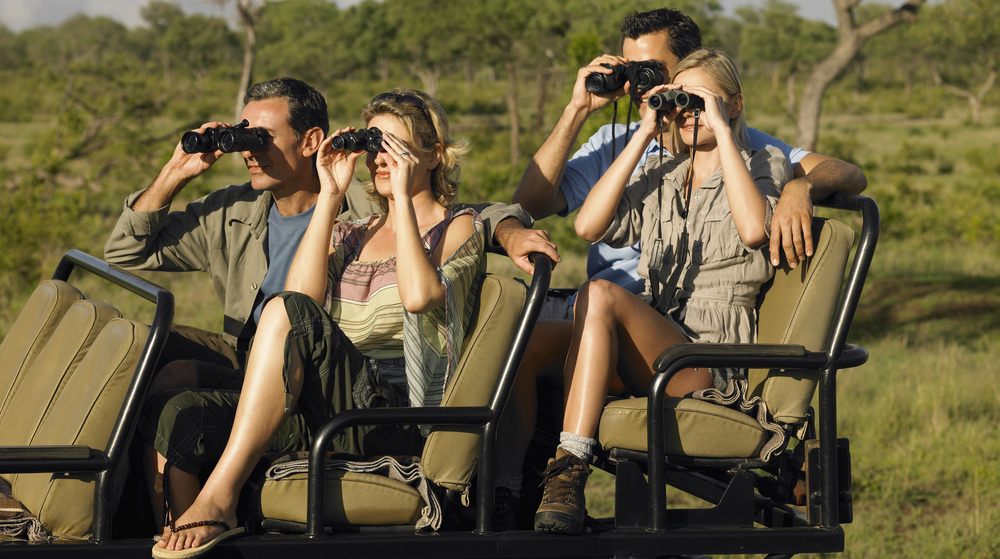
Safari guides are essential for wildlife tourism in regions like Africa or South America. They not only identify animals but also share ecological insights, conservation messages, and safety instructions. For example, in the Serengeti, a safari guide enhances the experience by teaching travelers about migration patterns and animal behavior.
Their role goes beyond spotting lions or elephants; they foster an appreciation for biodiversity and conservation.
City Walking Tour Guide
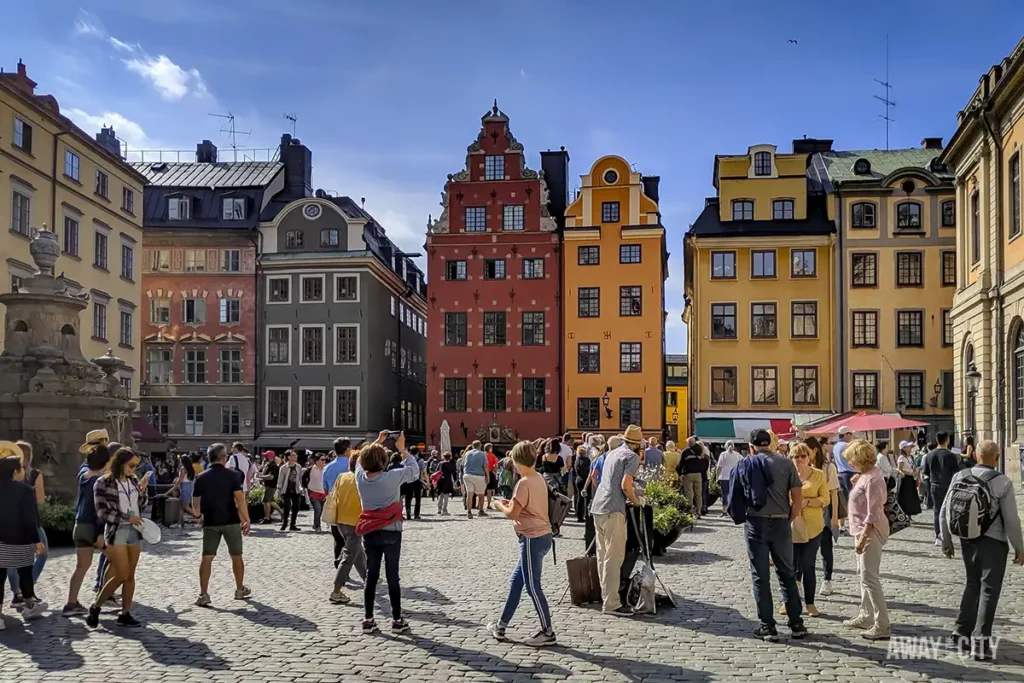
City guides bring urban spaces to life. They lead groups through markets, neighborhoods, and historic districts, offering stories about local traditions, architecture, and cuisine. In cities like Paris or Istanbul, these guides connect visitors with hidden gems that would otherwise remain undiscovered.
They personalize the experience by highlighting lesser-known attractions, local anecdotes, and culinary spots, making the city tour more immersive.
Adventure and Hiking Tour Guide
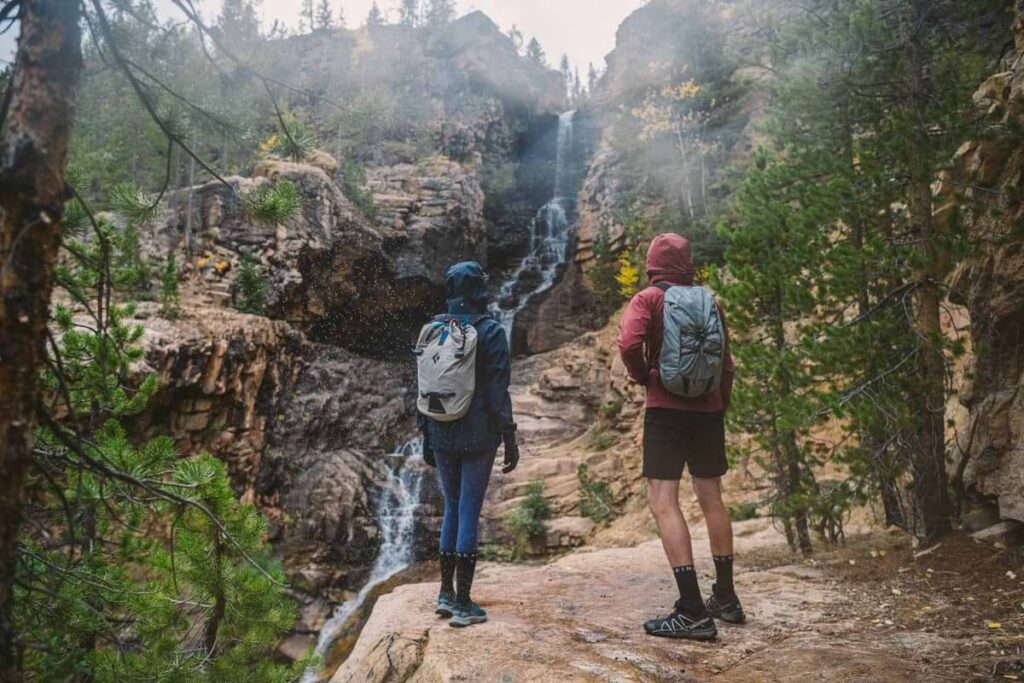
Adventure guides focus on trekking, mountaineering, or outdoor expeditions. Their job combines knowledge of the landscape with survival skills. On trails like the Inca Trail in Peru, guides ensure that tourists stay safe while also explaining the cultural and ecological significance of the route.
This type of guiding demands physical fitness, endurance, and the ability to motivate travelers when challenges arise.
The Benefits of Using Technology in Tour Guiding
Mobile Apps and Digital Tools
Technology has transformed the guiding profession. Tour guides can now use mobile apps, GPS tools, and digital storytelling platforms to enhance the experience. Apps allow travelers to follow maps, listen to audio commentary, and even explore sites virtually.
For guides, technology ensures smoother logistics, better communication with groups, and more engaging presentations. It also helps in multilingual settings, as apps can translate information instantly for tourists who speak different languages.
Virtual and Augmented Reality
Another technological advancement is the use of VR and AR. Imagine standing in front of ruins and using AR glasses to see how the site looked centuries ago. Some guides now integrate VR experiences into their tours, blending traditional storytelling with immersive visuals.
This innovation is particularly useful in museums and heritage sites, where digital reconstructions can revive long-gone civilizations.
Why Tour Guides Are Essential for Travel Experiences
Tour guides are not just optional extras but essential components of the travel industry. They provide structure, context, and meaning to journeys. While travelers can research destinations online, nothing replaces the personal touch, live storytelling, and problem-solving ability of a professional guide.
By hiring a guide, tourists gain insider access to local culture, safety reassurance, and a richer appreciation of the destination. Guides turn trips into lifelong memories.
Use Cases: Real-Life Problems Solved by Tour Guides
-
Navigating Complex Sites – At large sites like the Vatican Museums, guides prevent tourists from getting lost and highlight the most important exhibits.
-
Language Barriers – Guides bridge communication gaps in foreign countries, making it easier for tourists to interact with locals.
-
Cultural Misunderstandings – A guide helps travelers respect customs, ensuring smooth and respectful interactions.
-
Time Efficiency – In busy destinations, guides optimize itineraries to cover highlights without wasting time.
Frequently Asked Questions
1. What qualifications does a tour guide need?
Most guides undergo specialized training, which may include certifications in history, culture, first aid, and communication. Requirements vary by country and type of guiding.
2. Why should I hire a tour guide instead of exploring alone?
A guide provides expertise, context, and insider access that independent exploration may not offer. They save time, improve safety, and enrich the overall experience.
3. How has technology changed the work of tour guides?
Technology has made guiding more interactive and accessible. Tools like mobile apps, VR, and translation devices enhance storytelling, communication, and traveler engagement.